
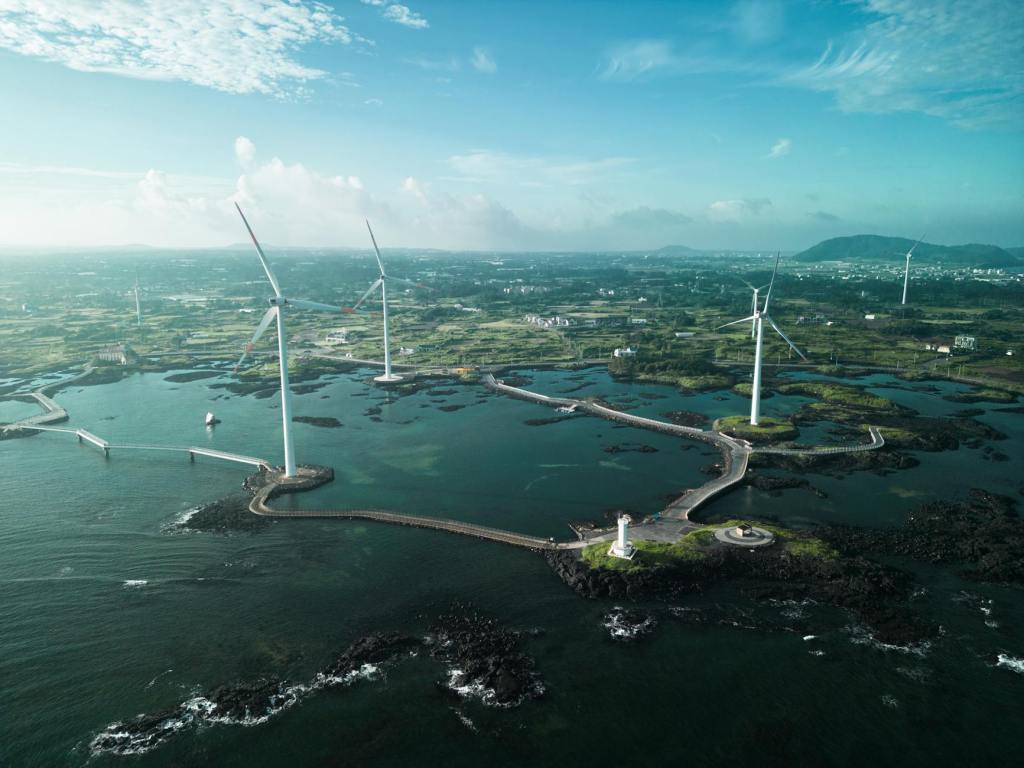
Jeju Island, often called the “Hawaii of South Korea,” is one of Japan’s most sought-after destinations. It is becoming increasingly popular among tourists and boasts of some fascinating UNESCO World Heritage Sites and very pretty beaches. Taking into consideration that it is an island location, getting to Jeju from Seoul may seem complex, but it’s far easier than you might think. With multiple travel options, including flights, ferries, and combinations of bus or train, you can choose the route that best fits your schedule and budget.
Flight Options from Seoul to Jeju Island
Airlines and Flight Details: The fastest way to get to Jeju Island from Seoul is by air. The main airports offering flights to Jeju are Gimpo International Airport (GMP) and Incheon International Airport (ICN). Both airports have frequent flights to Jeju International Airport (CJU), and several major Korean airlines provide daily flights:
- Korean Air
- Asiana Airlines
- Jeju Air
- T’way Air
- Jin Air
Flight Duration and Costs: Flights from Seoul to Jeju take approximately 1 hour and 10 minutes. Ticket prices can change based on the season, but round-trip fares generally range from KRW 50,000 to KRW 150,000 (approximately $40 to $120). During peak seasons, such as summer and Korean holidays, prices may double up, so book your tickets accordingly.
Tips for Finding Affordable Flights:
- Book in Advance: Flights are often cheaper when booked well in advance, especially during off-peak seasons.
- Use Discount Airlines: Budget carriers like Jeju Air and Jin Air often have running discount deals and promotions.
- Consider Flying from Gimpo: Gimpo Airport usually has more frequent flights to Jeju, which can be helpful in finding better deals.

Train and Ferry Options to Jeju Island
Using the KTX and Ferry Combination: For those who prefer scenic routes while travelling, you can combine KTX (Korea Train Express) with a ferry ride.
Here’s how:
- Take the KTX from Seoul to Busan or Mokpo.
- Board a ferry to Jeju Island from either port.
- Ferry Services, Schedules, and Costs.
Ferries from Busan and Mokpo operate on different schedules, with the trip to Jeju taking approximately 4 to 5 hours from Mokpo but around 10 hours from Busan. Ferry fares generally cost between KRW 20,000 and KRW 70,000 ($16 to $56) per person, depending on the seating class.
Exploring Road Trips: Driving from Seoul to Ferry Ports
Route Options: If you’re up for a road trip, consider driving from Seoul to the ferry ports in Mokpo or Busan.
Here’s what to expect:
- Seoul to Busan: About 4-5 hours by car.
- Seoul to Mokpo: Approximately 4 hours.
Car Rental Tips: Renting a car in Seoul gives you the freedom to explore areas around Busan or Mokpo. Rental costs vary depending on the car type, but they generally start at KRW 70,000 ($56) per day. Make sure to have an international driver’s permit if you’re a foreign visitor.
Public Transportation: Bus and Train to Ferry Ports
If you’re looking to travel on a budget that doesn’t burn a hole in your pocket, you can take buses or trains from Seoul to ferry ports. Here’s a breakdown:
- Seoul to Busan: A one-way express bus costs KRW 23,000-37,000 ($18-$30) and takes about 4 hours.
- Seoul to Mokpo: An express bus costs around KRW 20,000-30,000 ($16-$24) with a similar duration.
This combination of public transit and ferry is ideal if you’re on a budget.
Here’s a breakdown of the different travel methods from Seoul to Jeju Island, including their estimated travel time and round-trip costs:
- Flight: The fastest option, taking about 1 hour and 10 minutes. The cost typically ranges from KRW 50,000 to 150,000 (approximately $40 to $120) for a round trip.
- KTX + Ferry from Mokpo: This combination takes about 6 to 7 hours in total. A round trip will generally cost between KRW 80,000 and 120,000 (around $64 to $96).
- Bus/Car + Ferry from Busan: The longest journey, requiring 8 to 10 hours. A round trip will usually cost between KRW 60,000 and 110,000 (approximately $48 to $88).

Seasonal Tips for Traveling from Seoul to Jeju Island
The best times to visit Jeju Island are in spring (April-June) and in fall (September-November) when the weather is pleasant and tourist season has dried down. Do keep in mind:
- Winter (December-February) can bring cheaper prices and beautiful snowy landscapes but can limit outdoor activities.
- Summer (July-August) is peak travel season, so expect higher prices and more crowded flights.
Booking Platforms and Apps for Seoul-Jeju Travel
The most popular apps for booking flights, ferries, and trains include:
- Klook and Trazy: Ideal for tourists to book packages.
- KORAIL: For booking KTX tickets.
- Skyscanner and KAYAK: Great for comparing flight prices.
Booking in advance is can be very helpful during peak travel times to ensure you find your desired travel time and the best deals.
Guidelines for International Travellers
Visa and Entry Requirements: Visitors from many countries can travel to Jeju Island without a visa. However, be sure to verify with official sources as requirements may change. Non-Korean speakers can find translations and travel assistance at the airport or ferry terminals.
Language Tips: While Korean is primarily spoken, many signs and services in major travel hubs include English. Additionally, translation apps or learning a few basic Korean phrases can go a long way.
Packing Tips for Jeju Island
Pack according to the season, but here are a few essentials for any time of year:
- Comfortable walking shoes: Jeju’s trails and beaches are best explored on foot.
- Light rain jacket: Weather can change quickly on the island.
- Portable power bank: For convenience on longer treks and beach days.
Popular Attractions and Activities in Jeju
Once on Jeju Island, there are several spots for a person to explore:
- Hallasan National Park: Hike up the highest peak in South Korea.
- Seongsan Ilchulbong Peak: Best known for its stunning sunrise views.
- Jeju Loveland: A quirky sculpture park.
- Beaches: Hyeopjae, Hamdeok, and Gwakji are among the top choices.
Each location offers a unique experience, so plan your itinerary based on your interests.

Conclusion
Getting to Jeju Island from Seoul offers a range of options to suit different preferences and schedules. Whether you choose a quicker route and take the flight, or you want to enjoy the scenic KTX and ferry journey, or a road trip to the ferry ports, each option provides a unique experience.
Flights are ideal for those with limited time, while the train-bus-ferry combination allows for a more calmer experience. No matter which route you take, Jeju’s stunning natural beauty and vibrant culture will make the journey worthwhile, ensuring the most unforgettable adventure.
FAQs on Traveling from Seoul to Jeju Island
- What is the quickest way to get to Jeju from Seoul?The quickest way is by flight, which takes about 1 hour and 10 minutes.
- Are ferries from Busan to Jeju Island available year-round?Yes, but schedules may vary, so check ahead during winter or stormy weather.
- Do I need a visa to visit Jeju Island?Many nationalities don’t need a visa to visit Jeju, but it’s best to confirm before travelling.
- How much should I budget for a round-trip journey to Jeju?It depends on the route; a round-trip flight costs approximately KRW 50,000-150,000 ($40-$120).
- Can I rent a car on Jeju Island?Yes, car rentals are available at Jeju Airport and other spots around the island.
- When is the best time to visit Jeju Island?Spring and fall offer the most pleasant weather with fewer crowds.


 Thrifty Explorers