
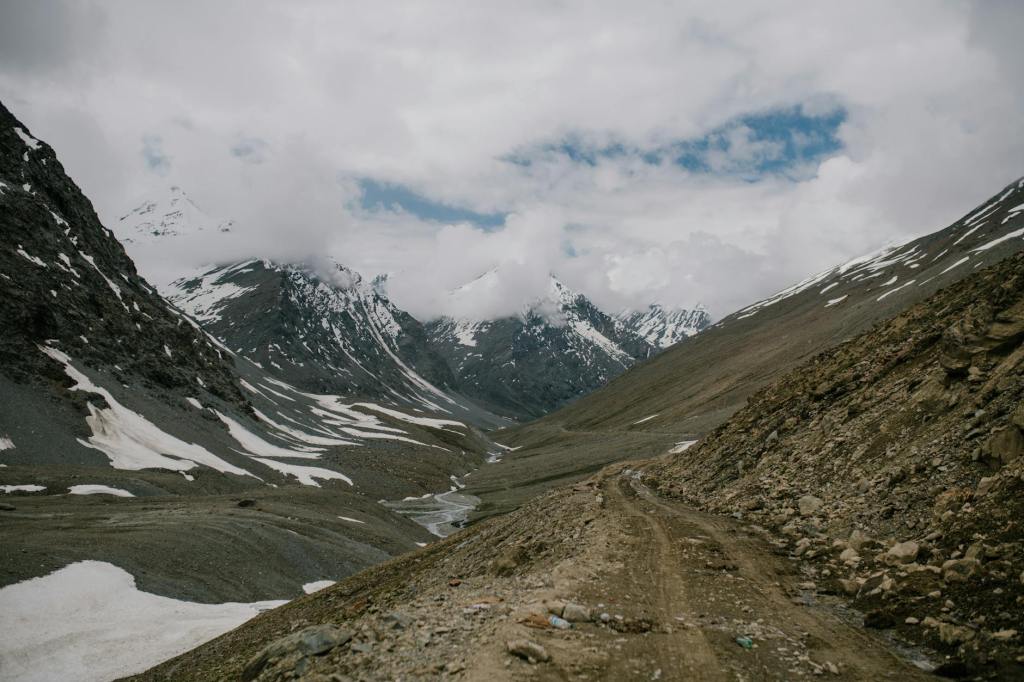
If you’ve been thinking about visiting Ladakh, you’ve probably already gone down the rabbit hole of questions. How much will the whole trip actually cost? What about altitude sickness? Are the hotels really that pricey? Is it crowded? Do you need permits? Is it safe if you’re travelling alone? It’s normal to feel overwhelmed, and Ladakh can start to look complicated or expensive before you even begin planning.
But the reality is very different. Plenty of people do a full week in Ladakh for around ₹40,000–50,000, and they have an incredible time. Once you understand how the place works, it becomes much simpler to plan than you expect. Skip the confusing travel blogs and scattered information. In this guide, we’ll focus on the things that actually help you plan your first Ladakh trip without getting lost in unnecessary details.
You’ll get a clear idea of the best time to visit, what you can expect to spend on flights and stays, how much food usually costs, and the easiest ways to get around without overpaying. There’s also a simple 6-day itinerary you can follow, along with the permits you need, the places worth your time, the ones you can skip, and straightforward answers to the doubts every first-timer has. Everything you need is right here in one place.
Best Time to Visit Ladakh: Why Late November Works Better Than Peak Summer
Summer in Ladakh sounds perfect until you actually get there. From May to August the hotels are packed, prices shoot up, and flights hover around ₹20,000–25,000. Even the viewpoints feel like queues. It’s beautiful, but it’s crowded and expensive.
Late November and early December are a completely different experience. The roads are still open, flights drop to roughly ₹12,000–15,000, and good stays come down to around ₹2,500 instead of ₹5,000. Most tourists are gone, so you get the same breathtaking landscape without the rush and noise. It feels calmer, slower and far more authentic. Both months are quieter than peak summer, easier on the budget, and still give you access to every major spot.
How to Reach Ladakh: The Three Routes That Actually Make Sense
Getting to Ladakh feels like a puzzle at first. You see flight options, road routes, timing concerns, costs that vary wildly depending on season. One blog says fly, another swears by the drive. It’s easy to get confused about which option actually makes sense for you. But here’s the thing: once you understand the three main routes, your decision becomes straightforward.
Each route has its own vibe, its own cost structure, and its own comfort level. The key is knowing what you’re actually signing up for. Let’s break down exactly what each option means, from your wallet to your body to your actual experience on the ground.

Option 1: Flying to Leh (Fastest Route, 2 Hours, ₹12,000–25,000)
Flying to Leh is the easiest path, and it’s the one most first-timers choose. Here’s why.
- Cost Breakdown: Book 4–6 weeks ahead and you’re looking at ₹12,000–15,000 for a Delhi to Leh economy flight. Peak season flights (May, June, July) jump to ₹20,000–25,000. If you’re coming from other cities like Chandigarh or Srinagar, expect a similar range. Cheaper fares usually show up for Tuesday or Wednesday departures, so picking those days can bring the price down quite a bit.
- Why This Route?: You take off from Delhi in the morning and land in Leh by early afternoon, and the entire journey takes barely two hours. There’s no long road trip, no fatigue, and no gradual build-up of exhaustion. You step out of Kushok Bakula Rimpochee Airport, which sits at an incredible 10,682 feet, and you’re instantly surrounded by the stark mountains that everyone talks about. Your body isn’t drained from travel, your head is clear, and you have the energy to settle in comfortably and start getting used to the altitude without feeling worn out.
- The Altitude Reality: The only thing to keep in mind is that you land straight at 10,682 feet, which means your body doesn’t get much time to adjust. You’re going from sea level to high mountains in just a couple of hours, so the first day really needs to be slow. Rest, drink water, eat light and sleep early. No rushing around, no sightseeing. Most people feel completely fine by Day 2 if they take it easy at the start.
- Why Do First-Timers Love This?: This option works best for first-timers who don’t want to spend 14 hours on the road, solo travellers who prefer a smoother and safer start, anyone who prioritises comfort over a long adventure drive, and people with limited leave who want to save time and reach Ladakh without feeling drained.
Option 2: Manali to Leh by Road (The Classic Adventure, 10–14 Hours, ₹2,000–2,500)
This is the road trip every Ladakh blog romanticizes. And honestly? It deserves the hype.
- Cost Breakdown: Shared taxis from Manali to Leh run ₹2,000–2,500 per person. That price is split among 3–4 passengers, so your individual cost is genuinely cheap. Private taxis cost ₹20,000–25,000 total (₹5,000–6,000 per person if you split with friends). The route goes through Rohtang Pass (3,978m), Baralacha La (4,890m), and finally into Leh. It’s one of the world’s most scenic drives.
- Why This Route?: You can expect the journey to take anywhere between 10 and 14 hours depending on the weather, season and how good the roads are that day. Most people leave Manali around 4 or 5 in the morning and reach Leh by evening or early night. Along the way you’ll stop for meals, tea breaks, bathroom breaks and a few moments just to stretch and take in the silence. The scenery keeps changing every hour, from wide valleys to sharp passes to tiny mountain villages. You’re constantly moving through new views, and the road itself becomes the highlight of the trip.
- The Altitude Reality: Unlike flying, this route allows your body to adjust gradually to the altitude. You climb over Rohtang Pass at 3,978 meters, cross several other passes, and finally reach Leh at 3,500 meters. Because the ascent happens in stages, your body adapts naturally instead of being shocked by sudden height. Many travelers find they experience less altitude sickness on this route since their oxygen levels drop slowly and their body has time to adjust along the way.
- Why Travelers Love This: The journey itself is a huge part of the Ladakh experience. Shared taxis turn strangers into instant travel companions, and the mountain passes along the way are truly awe-inspiring. It’s a more affordable option, and there’s something deeply satisfying about arriving in Leh after a long, scenic drive and you feel like you’ve earned every moment.
Option 3: Srinagar to Leh by Road (The Scenic Route, 14–18 Hours, ₹2,000–2,500)
This route is less famous than Manali but honestly stunning and gentler on your body.
- Cost Breakdown: The Srinagar-Leh route costs roughly ₹2,000–2,500 per person in shared taxis, similar to the Manali route. The drive is longer, taking around 14–18 hours instead of 10–14, but the scenery along the way is exceptional and far less crowded. Private taxi options are available, though they are less common on this route compared to Manali.
- Why This Route?: The Srinagar-Leh drive takes you through Sonamarg, over Zoji La Pass at 3,523 meters, past Lamayuru, and finally into Leh. The altitude gain on this route is the gentlest of all three options. Instead of steep jumps, you climb gradually, giving your body time to adjust naturally. Approaching Zoji La from the Srinagar side makes the ascent smoother, which helps most travelers acclimate more comfortably along the way.
- The Altitude Reality: First, the landscape is genuinely more beautiful in some sections than Manali (less trafficked, fewer tourists). Second, altitude sickness risk is lower because you climb so gradually. Third, you experience real Ladakh villages and culture instead of just mountain passes. Fourth, it feels authentic because fewer international tourists use this route.
- Why Travelers Love This?: Travelers who take the Srinagar-Leh route love it for the scenery and the sense of adventure. Although it is the longest drive, taking 14–18 hours, you move through some of the most stunning landscapes in Ladakh, with far fewer crowds than the Manali route. The mountains, valleys, and passes make the journey itself unforgettable. Just keep in mind that Zoji La Pass can close in winter, usually from December to April, so if you are planning a trip in October to early November or March to April, always check the latest status before booking.
Accommodation in Ladakh: Honest Prices for First-Time Travelers
Finding the right place to stay in Ladakh shapes your entire trip, especially on your first visit. Your bed determines how well you sleep at altitude. Your guesthouse hosts determine whether you get insider tips or tourist nonsense. Your accommodation type determines whether you experience Ladakh as a tourist or as a traveler.
The good news? You don’t need to choose between budget and quality. You don’t need to overpay just because you’re in the mountains. Real first-timers stay comfortable for ₹1,300–5,000 per night depending on what matters to them. Let’s break down exactly what you get at each price point, where real travelers actually stay, and what hidden costs you might not know about.
- Budget Guesthouses in Leh (₹1,300–2,500 per night): Budget guesthouses are perfect for first-time travelers who want clean, cozy accommodation without overspending. Expect private bathrooms, warm blankets, and hosts who know the area and can give local tips. Popular guesthouses include Shaolin Guest House (₹1,300), Morning Sky Guest House (₹1,500–2,200), and Millennium Guest House (₹1,500). Staying in these guesthouses is also a great way to meet fellow backpackers. Meals are simple but filling, and the vibe is friendly and authentic.
- Mid-Range Hotels (₹2,500–5,000 per night): If you prefer more comfort, mid-range hotels offer proper beds, reliable heating, included breakfast, and good Wi-Fi. Options like Hotel Lhalingkha (₹1,765–2,000) and Hotel Dimbir Regency (₹1,625–1,900) provide a quieter, private experience with better amenities than guesthouses.
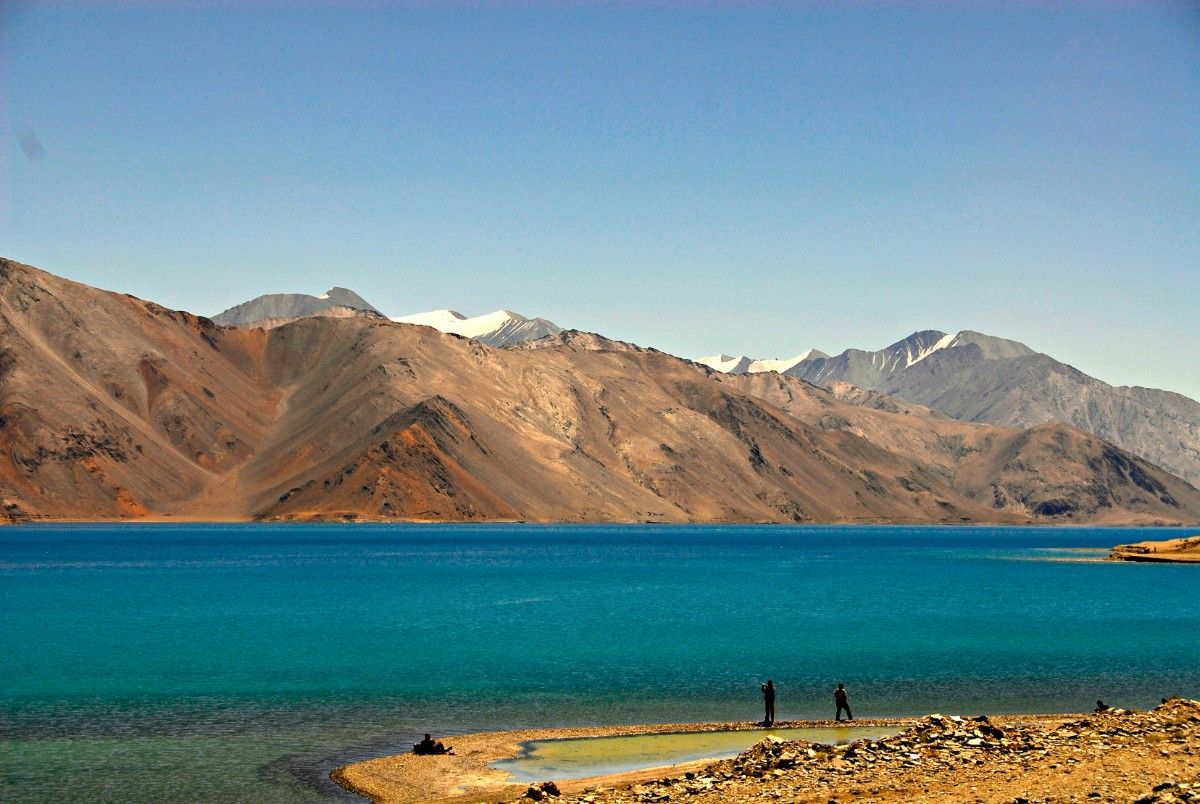
- Overnight Camps at Pangong Lake and Nubra Valley (₹1,500–4,000 per night): For a more adventurous experience, overnight camps are a unique way to sleep amidst Ladakh’s surreal landscapes. Budget camps (₹1,500–2,500) offer a bed in a tent with clean sheets and access to on-site dining, while mid-range camps (₹3,000–4,000) come with additional comforts like heating and better facilities. Watching the sunrise over Pangong or the sand dunes of Nubra from your tent is an experience you won’t forget.
Food in Ladakh: Eating Like a Local on a Budget
One of the joys of traveling to Ladakh is discovering its unique local cuisine. From hearty noodle soups to steamed dumplings and the famous salty butter tea, eating in Leh is both affordable and authentic. On average, you can enjoy three meals a day for around ₹600–800, which makes it easy to explore without breaking your budget.
Must-Try Local Dishes:
- Thukpa (₹150–200): This warm, comforting noodle soup quickly becomes a lunch favorite. Every dhaba serves it, and it’s perfect after a morning of sightseeing in the mountains.
- Momos (₹50–100 per plate): Steamed dumplings served with spicy chutney. Eating four or five is more than enough to fill you up, making it a quick and cheap snack or meal.
- Skyu (₹150–200): Handmade wheat pasta with vegetables, traditional to the region. It’s hearty, filling, and a great way to experience authentic Ladakhi flavors.
- Butter Tea (₹30–50): Made with yak butter and salt, it might sound unusual at first, but it’s a must-try. It’s warming, energizing, and unlike anything you’ve had before.
Eating like a local in Ladakh not only keeps your budget in check but also gives you a genuine taste of the region’s flavors and culture. From steaming bowls of thukpa to the unique tang of butter tea, food here is an experience in itself.

Getting Around Ladakh: How to Explore Without Overspending
Transportation in Ladakh can feel tricky at first, but with the right plan, it’s easy, affordable, and even part of the adventure. From shared taxis to private vehicles and multi-day packages, there are options to suit every traveler and budget.
1. Shared Taxis (₹400–700 Per Trip): Shared taxis are the most budget-friendly way to travel between popular destinations. Usually, 4–5 people share a taxi, which keeps costs low while giving you a chance to meet fellow travelers. You might meet someone from Delhi heading to Pangong Lake, a backpacker from Europe, a couple from Mumbai and by the end of the day, you’re exchanging contact details. For example, a trip from Leh to Pangong Lake costs ₹400–600 each way (around six hours), and Leh to Nubra Valley is similarly priced. Experienced drivers know the roads perfectly, so you can relax and enjoy the scenery. Most shared taxis depart early morning and return by evening (or early morning the next day for overnight trips).
2. Private Taxis (₹6,000–8,000 Per Person If Split Among 4): For more flexibility and comfort, private taxis are an option. The full vehicle cost ranges from ₹25,000–33,000 per day, which becomes affordable when split among four travelers (₹6,000-8,000 per person). Private taxis allow you to set your own pace, stop wherever you like, and avoid schedules, making them ideal for small groups or families. You can stop for photos whenever you want. You can spend three hours at a viewpoint instead of 45 minutes. You control the music, the temperature, the pace. This matters if you’re traveling with people you want to stay with, or if you want to explore at your own rhythm.
3. Multi-Day Trips (₹3,000–5,000 Per Day Total): For a hassle-free experience, multi-day packages combine transport, overnight camps, and meals. For instance, an overnight trip to Pangong Lake breaks down like this:
- Shared taxi: ₹600
- Overnight camp: ₹3,000
- Food (dinner, breakfast, packed lunch): ₹400
- Total per person: ₹4,000
This is convenient for first-timers who want to see key spots without worrying about logistics. Your accommodation and meals are arranged. You just show up, travel, and experience. No booking different providers, no coordinating timing.
Nubra Valley overnight trips follow a similar structure (₹1,500 camp + ₹600 shared taxi + ₹400 food = roughly ₹2,500–3,000 per person depending on camp choice).
Permits in Ladakh: Easy and Hassle-Free
Many first-time travelers worry that permits might complicate a Ladakh trip, but in reality, they are simple to get. You don’t need to visit government offices yourself or deal with complicated paperwork. In most cases, your hotel handles the entire process.
You can stop for photos whenever you want. You can spend three hours at a viewpoint instead of 45 minutes. You control the music, the temperature, the pace. This matters if you’re traveling with people you want to stay with, or if you want to explore at your own rhythm.
For Foreigners: Protected Area Permit (₹700) A Protected Area Permit is required if you’re visiting restricted areas like Pangong Lake, Nubra Valley, and Tso Moriri. The cost is around ₹700, and it’s straightforward to arrange.
- Easiest Way (Hotels): Most hotels in Leh can arrange this for you within 24 hours. Simply ask your hotel staff when you arrive, they handle this daily and have the process down to a routine. You don’t need to visit any government office yourself. They’ll collect basic information, submit it, and have your permit ready, usually by the next evening.
- Alternative Way (Direct): If you prefer to handle it independently, you can go directly to the District Administration office in Leh. It takes about an hour of your time, but it’s also straightforward. Just bring your passport and filled-out form.
For Indian Travelers: Environmental Fee (₹400 Per Area) There is an environmental fee of ₹400 per area, which can be paid online before you travel. This is simpler than the foreigner permit process, just one online payment and you’re done. You can pay from anywhere before your trip.
- How to Pay: Visit the official portal, fill in your details, select the areas you’re visiting (Pangong Lake, Nubra Valley, Tso Moriri), and pay ₹400 per area. You’ll receive a receipt via email that you can show at checkpoints if needed.
Permits are straightforward and hassle-free. Every hotel handles them daily, so there’s no reason to stress.

Altitude Sickness in Ladakh: How to Stay Safe and Enjoy Your Trip
Ladakh sits at an average altitude of around 3,500 meters (11,500 feet), so your body needs time to adjust. First-time travelers often worry about altitude sickness, but with the right precautions, it’s usually manageable.
Prevention tips (non-negotiable):
- Rest on arrival: Take at least two full days in Leh before any long drives or high passes. Treat Day 1 as a full acclimatization day.
- Stay hydrated: Sip water through the day, more than you feel you need. Mild dehydration makes symptoms worse.
- Avoid alcohol: Skip alcohol (and smoking) for the first three days so your body can focus on adapting.
- Eat light: Go for simple, easy-to-digest meals. Avoid very heavy, oily food in the first couple of days.
- Sleep well: Prioritize 7–8 hours of good sleep. Rest is when your body actually adjusts to the altitude.
If symptoms appear: Mild headache, light dizziness or a bit of nausea are common in the first 24–48 hours. Many travelers feel better with rest, water and a calm day. Some use Diamox tablets (₹200–300, available at local pharmacies), but always talk to your doctor before taking any medication.
When to seek help: If you have a severe headache, repeated vomiting, confusion, chest tightness or breathlessness at rest, don’t ignore it. Tell your hotel immediately, go to a doctor and, if advised, move to a lower altitude. Leh has good hospitals and knows how to handle altitude issues.
Your Perfect 6-Day Ladakh Itinerary for First-Timers
Planning your first trip to Ladakh can feel overwhelming, but this day-by-day breakdown makes it simple. It balances acclimatization, iconic spots, and rest while keeping costs realistic under ₹50,000 total.
| Days | Activities | Tips & Highlights | Estimated Cost (₹) |
| Day 1: Arrival & Rest | Fly/drive into Leh. Light walk around Leh Market only. | Take it slow. Hydrate constantly, eat light, sleep early. No sightseeing. Your body needs this. | Accommodation: 2,000 Food: 300 Total: 2,300 |
| Day 2: Leh Exploration | Leh Palace, Shanti Stupa (sunset), Old Town markets. | Easy pace for acclimatization. Walk local lanes, try butter tea. Sunset at Shanti Stupa is magical. | Transport: 1,500 Food: 400 Total: 1,900 |
| Day 3: Nubra Valley Day Trip | Shared taxi to sand dunes, camel ride, Diskit Monastery, return evening. | Start 6 AM. Double-humped camels at Hunder are unique. Don’t overexert. | Taxi: 500 Food/Activities: 400 Total: 900 |
| Day 4: Pangong Lake Overnight | 6-hour shared taxi to lake. Afternoon free, sunset views, camp stay. | Book camp ahead. Lake changes color hourly. Stars are unreal. | Taxi: 600 Camp: 3,000 Food: 400 Total: 4,000 |
| Day 5: Pangong Morning & Return | Sunrise at lake, then drive back to Leh. | Capture golden hour photos. Relax on return (6 hours driving). | Food: 400 Total: 400 |
| Day 6: Departure | Morning flight/drive out. Optional quick monastery if time. | Check flights early. Leh Market for souvenirs if departing late. | Flight/Taxi: Varies Total: Varies |
Total Breakdown: Flights ₹24,000 + Accommodation ₹12,500 + Food ₹4,200 + Transport ₹2,100 + Permits ₹700 + Activities ₹850 + Misc ₹800 = ₹45,150
This itinerary prioritizes safe acclimatization (Days 1-2 rest), hits must-sees (Pangong, Nubra), and fits first-timers perfectly. You’ll leave with epic memories, not headaches.

Final Thoughts: Why Ladakh Changes You Forever?
Ladakh isn’t just mountains and lakes, it’s a complete reset. Valley silence strips away city noise, turquoise waters humble you, monasteries teach you to breathe. For ₹40,000–50,000, you gain deeper sleep, clearer skies, memories that endure.
First-time visitors leave differently, feeling calmer, stronger, and more connected to the world around them. Every Pangong sunrise and every sand dune in Nubra feels earned. Stop waiting. Book your trip, the mountains are not going anywhere, but the experience is yours only when you arrive.
FAQs for First-Time Travelers to Ladakh
1. Will I get altitude sickness?
It is possible, but most first-time travelers do fine if they take the first two days slow. Drink plenty of water, avoid alcohol, eat light meals, and get good sleep. Mild headaches are common, but serious issues are rare. Diamox tablets can help if needed, but proper rest is usually enough.
2. Is Ladakh safe for solo travelers?
Yes, absolutely. Ladakh is one of the safest destinations in India. Shared taxis are full of other travelers, so you will meet people quickly, and the towns themselves are friendly and welcoming. Solo travel here is very manageable.
3. Can I do a Ladakh trip for less than ₹40,000?
Yes. If you stay in guesthouses costing around ₹1,200, eat mostly local food, and skip some optional activities, a 6-day trip is possible for approximately ₹35,000.
4. What is the best time to visit Ladakh?
For perfect weather, May, September, and October are ideal. Late November is excellent if you want fewer crowds and lower costs. Winter from October to April is best suited for adventure seekers and photographers.
5. How many days should I plan for?
You could do it in five days if you are rushing, but that is not recommended. A 6 to 10-day trip is ideal for a comfortable experience, and two weeks allow you to truly explore and absorb the region.


 Thrifty Explorers