
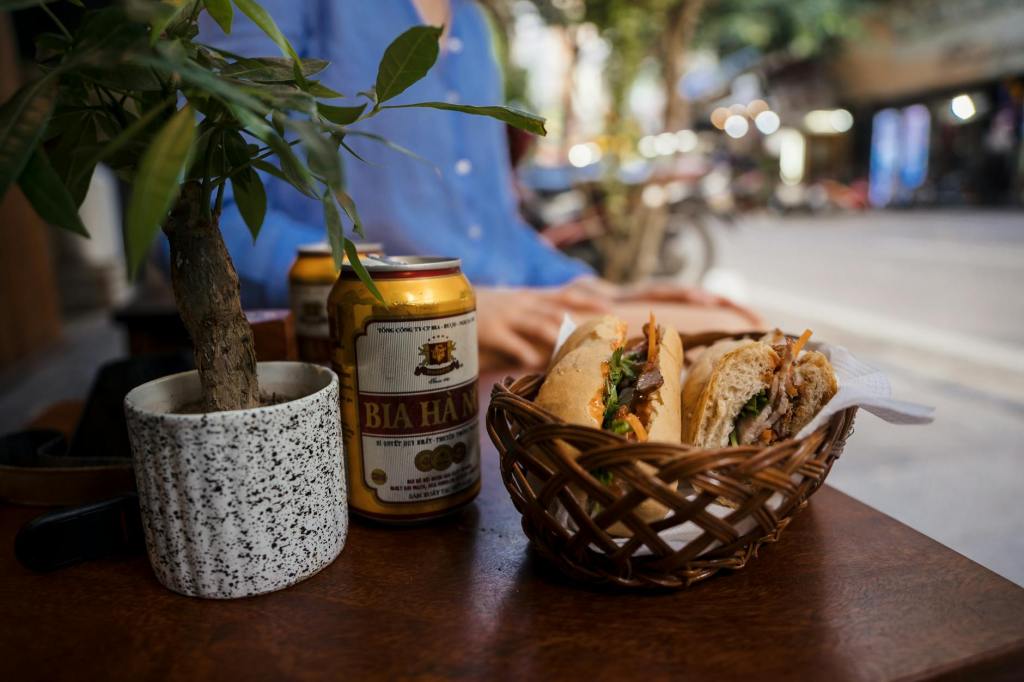
Are you planning a trip to Vietnam as a vegetarian? It’s easier than you think. This guide covers everything you need to navigate vegetarian food in Vietnam with confidence.
Discover which Vietnamese dishes are vegetarian, find the best vegetarian restaurants in Hanoi, Ho Chi Minh City, Hoi An, and Da Nang, and learn the exact phrases that work. We’ll also show you which hidden ingredients contain meat and how to eat well on any budget.
Whether you’re a seasoned plant-based traveler or visiting Vietnam for the first time, this guide has everything you need to eat well and stress-free while staying vegetarian in Vietnam.
Is Vietnam Good for Vegetarians?
Vietnam is surprisingly excellent for vegetarians. Over 60% of the population practices Buddhism, and many observe vegetarian eating on the 1st and 15th days of each lunar month, creating strong cultural infrastructure throughout the country. The Vietnamese word “chay” (meaning vegetarian) appears on restaurant signs in every major city.
Buddhist temples maintain adjacent vegetarian restaurants serving affordable, authentic meals. Combined with a 2,000-year-old Buddhist tradition, this makes navigating plant-based eating here genuinely easier than in most Western countries.
Hidden Non-Vegetarian Ingredients: Understanding the Real Challenges
Finding vegetarian food in Vietnam becomes simpler when you understand what actually goes into common dishes. The key challenge isn’t the lack of vegetarian options but hidden animal ingredients in seemingly plant-based meals.
| Ingredient | What is it? | Where It Appears? |
| Fish Sauce (Nước Mắm) | Fermented anchovy liquid | Nearly every savory dish, pho, banh mi, stir-fries |
| Shrimp Paste (Mắm Tôm) | Fermented shrimp paste | Pho broth, bun bo Hue, soups, sauces |
| Pork/Chicken Broth | Meat-based stock | Pho, bun bo Hue, hu tieu, mi quang |
| Lard (Mỡ Heo) | Rendered pork fat | Banh mi, fried rice, stir-fries |
| Dried Shrimp (Tôm Khô) | Dehydrated shrimp | Fried rice, spring rolls, salads |
| Pork Pate | Pork liver spread | Banh mi sandwiches |
The Vietnamese interpretation of vegetarian can still include fish sauce or seafood-based seasonings at non-specialized restaurants. Traditional pho and similar soups require meat broths simmered for 12-24 hours, making them impossible to convert to vegetarian on demand.
Choosing dedicated “chay” restaurants completely eliminates these concerns, ensuring all dishes follow strict Buddhist vegetarian principles.
How to Order Vegetarian Food in Vietnam: Essential Phrases
Finding reliable vegetarian food in Vietnam depends on clear communication. The most effective way to get truly vegetarian or vegan food for a Vietnam trip is by using these key Vietnamese phrases:
Primary Phrases:
- “Tôi ăn chay” (toy an chai): “I am vegetarian,” most important phrase
- “Chay” (chai): Simply “vegetarian” for menus and signs
- “Thuần chay” (thuan chai): “Pure vegetarian” or vegan
Specific Requests for Non-Chay Restaurants:
| Request | Pronunciation |
| No fish sauce | Khone nook mahm |
| No shrimp paste | Khone mahm tome |
| No meat | Khone teet |
| No egg | Khone troong |
| Vegetables only | Chee rao |
Best Strategy: Search “chay” on Google Maps in any Vietnamese city to find dedicated vegetarian restaurants where communication barriers disappear entirely. Save a screenshot of “ăn chay” on your phone to show staff visually, eliminating pronunciation challenges.
Look for Buddhist temples and pagodas, which maintain adjacent vegetarian restaurants serving simple, affordable meals following strict Buddhist dietary principles.
Must-Try Vegetarian and Vegan Vietnamese Dishes
Vietnam’s vegetarian dishes are seriously good and completely different from what you’d expect. Here are the must-try options across Hanoi, Ho Chi Minh City, Hoi An, and Da Nang.
Starters & Salads
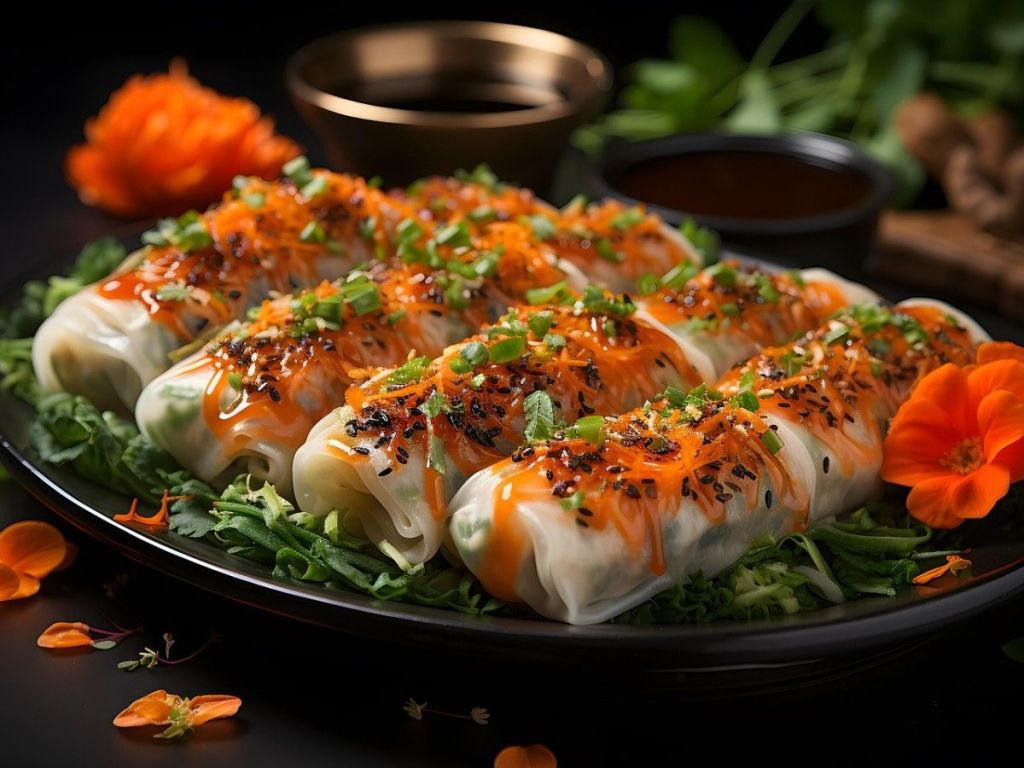
- Gỏi Cuốn Chay (Fresh Spring Rolls): Rice paper rolls filled with vermicelli noodles, tofu, fresh herbs, lettuce, and vegetables, served with peanut dipping sauce. The cost usually ranges from 20,000 to 40,000 VND at street stalls, while restaurants charge around 40,000 to 60,000 VND.
- Chả Giò Chay (Fried Spring Rolls): Crispy golden rolls filled with tofu, mushrooms, glass noodles, and vegetables, served with lettuce and sweet chili sauce. Each roll usually costs around 10,000 to 20,000 VND at most street stalls.
- Nộm Hoa Chuối (Banana Flower Salad): Shredded banana blossoms with pickled carrots, fresh herbs, lotus root, and peanuts in a tangy dressing. This salad usually costs between 30,000 and 50,000 VND, depending on where you buy it.
Main Courses
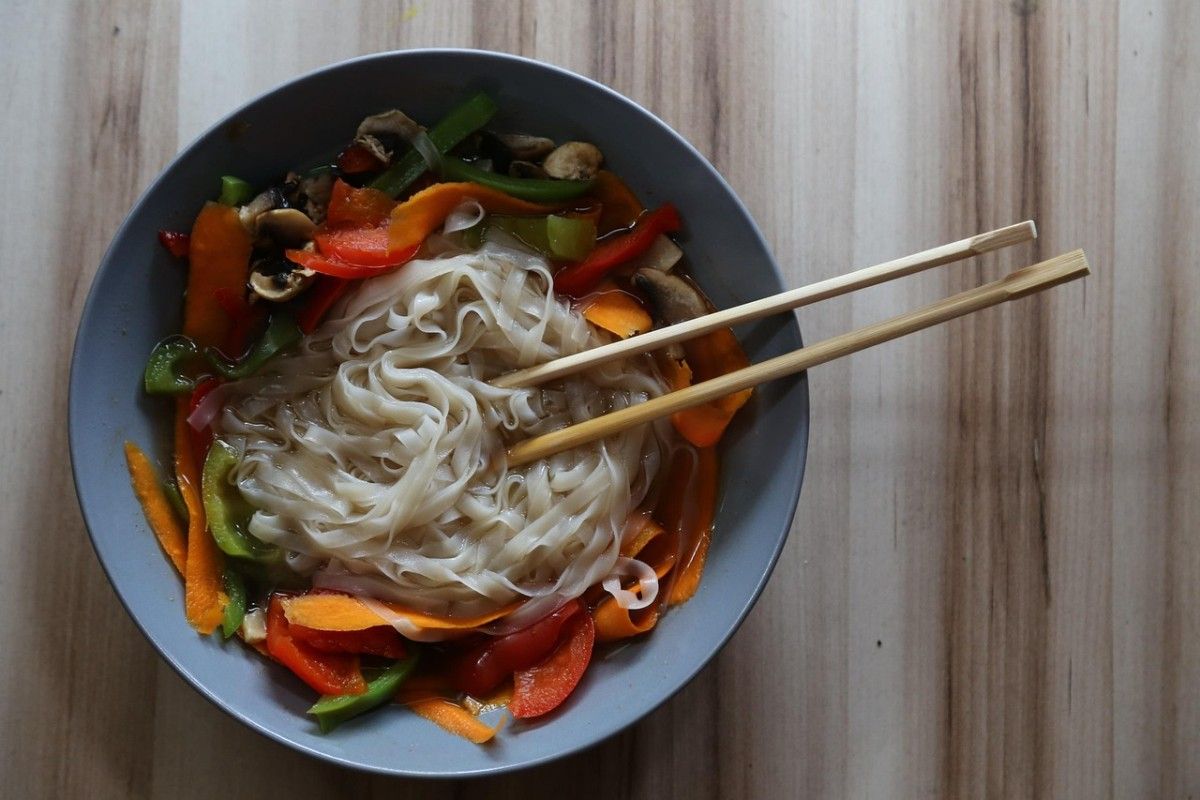
- Phở Chay (Vegetarian Pho): Flat rice noodles in fragrant vegetable broth with star anise, cinnamon, and ginger, topped with fried tofu, mushrooms, and fresh herbs. Always order at dedicated chay restaurants to ensure truly vegetarian broth. It usually costs around 30,000 to 50,000 VND at street stalls and 60,000 to 100,000 VND in restaurants.
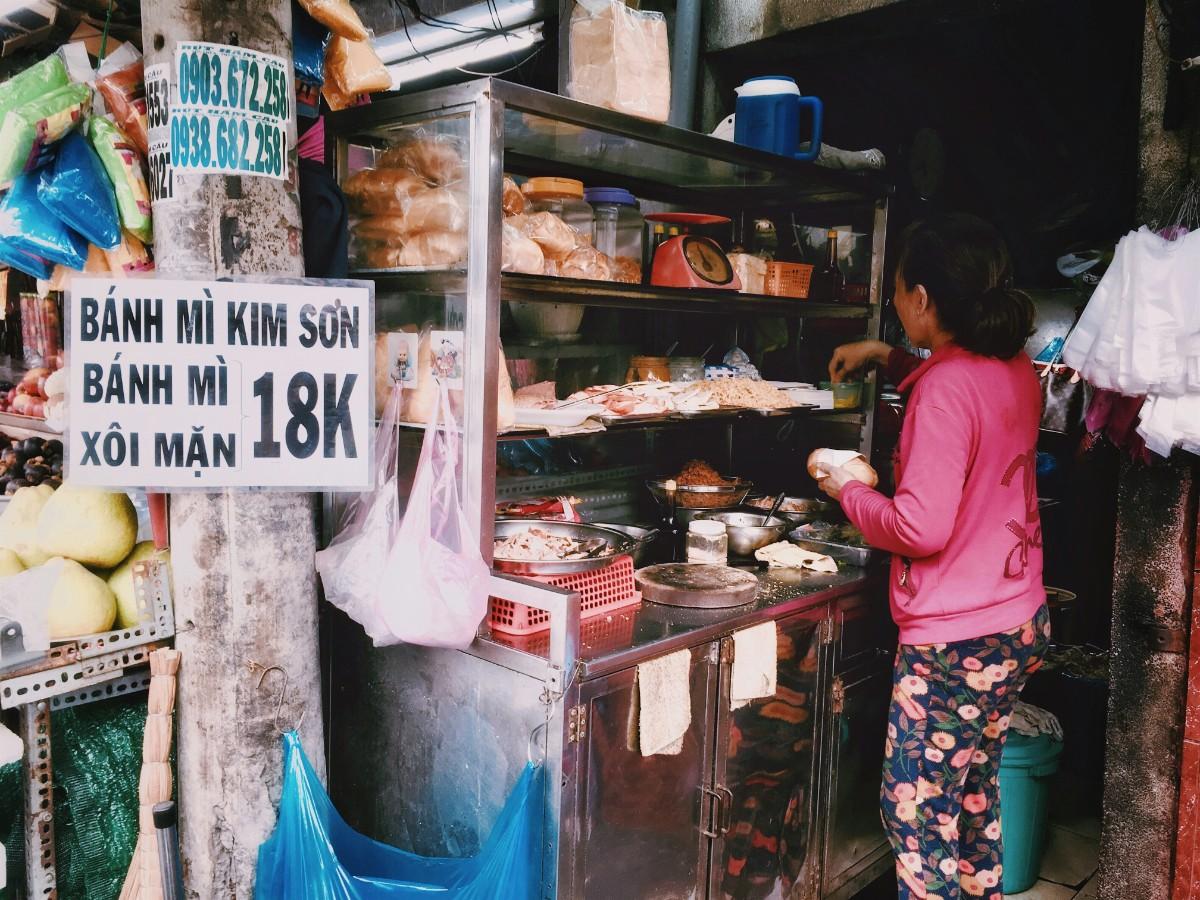
- Bánh Mì Chay (Vegetarian Banh Mi): Lemongrass tofu, pickled carrots, cucumber, cilantro, and chilies on French bread. You’ll typically pay between 15,000 and 30,000 VND at street stalls, and 30,000 to 50,000 VND in restaurants.
- Bánh Xèo Chay (Vegetarian Pancakes): Turmeric rice flour crepes filled with bean sprouts, mushrooms, and tofu, fried until crispy and served with lettuce and sweet chili sauce. These usually cost anywhere from 30,000 to 60,000 VND.
- Cơm Chay (Vegetarian Rice): Steamed rice with vegetarian side dishes including stir-fried vegetables, tofu in tomato sauce, mock meat, and vegetable soup. A plate normally ranges from 30,000 to 70,000 VND.
- Bún Bò Huế Chay: Central Vietnam’s spicy dish adapted for vegetarians using soy meat and tofu instead of beef, maintaining the distinctive lemongrass and chili character. A bowl generally costs between 35,000 and 60,000 VND.
- Mì Quảng Chay: Flat turmeric rice noodles with tofu, herbs, peanuts, and crispy rice crackers in light soy dressing. You can expect to pay around 30,000 to 55,000 VND.
- Cao Lầu Chay (Hoi An Specialty): Thick chewy noodles unique to Hoi An with fresh herbs, crispy rice crackers, and tofu. This usually costs between 35,000 and 60,000 VND.
- Rau Muống Xào Tỏi (Morning Glory with Garlic): Water spinach stir-fried with garlic and chilies. Always specify no oyster sauce and no fish sauce. A plate typically ranges from 20,000 to 40,000 VND.
Desserts
- Chè (Vietnamese Sweet Soups): Varieties include Chè Ba Mau (three-color with red beans, mung beans, green jelly) and Chè Chuoi (banana in coconut tapioca). A bowl usually costs between 15,000 and 35,000 VND.
- Bánh Chuối (Banana Cake): Moist banana cake made with coconut milk, steamed or baked. You’ll typically find it priced between 15,000 and 25,000 VND.
- Fresh Tropical Fruit: Mango, dragon fruit, rambutan, longan, and lychee sold pre-cut at street vendors. A bag generally costs around 20,000 to 40,000 VND.
City Guide to Vegetarian Food in Vietnam
Each Vietnamese city has its own vegetarian scene. Here’s where to eat in the places you’re most likely to visit.
1. Hanoi: Traditional Buddhist Hub
- Uu Dam Chay: Upscale Buddhist restaurant in colonial building near Hoan Kiem Lake. Mock dishes and traditional preparations.
- Tentative Budget For 2 People: 250,000 and 400,000 VND
- Kiez Vegan: Trendy vegan junk food spot with creative options and their signature Phở Chay served on Wednesday, Friday, Saturday, and Sunday. Every dish is consistently delicious.
- Tentative Budget For 2 People: 120,000-240,000 VND
- La Studio: Premium vegan cafe serving homemade sourdough sandwiches, smoothie bowls, and quality plant-based dishes. High-quality ingredients and beautiful presentation.
- Tentative Budget For 2 People: 160,000-300,000 VND
2. Ho Chi Minh City: Vegan Capital
- Veggie Saigon: Top-rated organic restaurant specializing in hot pots and soups with extensive Vietnamese plant-based menu.
- Tentative Budget For 2 People: 200,000-400,000 VND
- Chay 365: Completely vegan eatery known for exceptional vegan banh mi with spicy tofu and mixed ‘meat’ versions.
- Tentative Budget For 2 People: 50,000-90,000 VND
- Banh Mi Xanh: Premium vegan banh mi chain with multiple locations serving creative plant-based sandwich options made from natural ingredients without preservatives. 50,000-90,000 VND.
- Tentative Budget For 2 People: 100,000-180,000 VND
3. Hoi An: Charming Ancient Town
- The Fisherman: Remarkable transformation from traditional seafood restaurant to 100% vegan eatery honoring family history while embracing sustainable food. Creative plant-based versions of local dishes.
- Tentative Budget For 2 People: 150,000-300,000
- Tam Quang Minh Vegetarian Restaurant: A small, always-busy eatery specializing in traditional Vietnamese vegan dishes, including Mi Quang (noodles) and Cao Lầu (thick noodles).
- Tentative Budget For 2 People: 70,000-140,000 VND
- Chickpea Eatery: Top-rated 100% vegan restaurant in the Ancient Town known for award-winning vegan banh mi, signature cao lầu, banana flower salad, creative bao buns, and the first fully vegan cooking classes in Vietnam with market tours.
- Tentative Budget For 2 People: 90,000-2,00,000 VND
4. Da Nang: Coastal City
- Roots Plant-Based Cafe: Healthy Buddha bowls, wraps, sandwiches, plant-based burgers, and creative smoothie bowls near My Khe Beach. Menu includes Japanese Nori Bowl, “Raw” Lasagna, and Crispy Katsu Burger.
- Tentative Budget For 2 People: 65,000-190,000 VND
- Kurumi Vegan Cafe: Cozy spot near My Khe Beach with 100% vegan international and Vietnamese dishes. Features unique Slavic dishes like Potato Vereniky dumplings with cashew dill sauce.
- Tentative Budget For 2 People: 50,000-120,000 VND
- The Hideout Cafe: Hidden gem cafe with tranquil vibes, beautiful garden entrance, and plant-based dairy alternatives. Offers vegan soy coconut iced coffee and breakfast/lunch options.
- Tentative Budget For 2 People: 45,000-100,000 VND
Whether you’re spending a week in one city or island-hopping across Vietnam, you’ll find excellent vegetarian food waiting for you. Use this guide to discover hidden gems and local favorites in each destination.
Essential Apps & Resources To Find Vegetarian Food In Vietnam
Navigating Vietnam without the right tools is stressful. These apps and resources eliminate confusion, save you money, and help you find authentic vegetarian food in seconds
- HappyCow: Most essential tool for finding vegetarian food in Vietnam. Comprehensive database of vegan and vegetarian restaurants with filters, reviews, and offline access.
- Google Maps with “Chay” Search: Search “chay” in any Vietnamese city to reveal dozens of dedicated vegetarian restaurants, filtering for authentic local establishments.
- Grab Food: Vietnam’s food delivery app with vegetarian/vegan restaurant filters, menu comparison, and delivery to your accommodation.
- Google Translate Offline: Download Vietnamese language pack for menu translation and key phrase storage. Camera translation helps identify non-vegetarian ingredients.
- Lunar Calendar App: Track 1st and 15th lunar month days when many Vietnamese eat vegetarian and restaurants offer special menus at lower prices.
Download these apps before your trip, bookmark this guide, and you’re set. You’ll eat better than most travelers, discover authentic local restaurants, and navigate Vietnam’s vegetarian scene like someone who’s been there a hundred times.
Final Thoughts
Being vegetarian in Vietnam is not just possible but genuinely rewarding. The country’s Buddhist culture, affordable prices, fresh ingredients, and growing vegan scene create a paradise for plant-based travelers. Learning key phrases, understanding hidden ingredients, and using apps strategically help you navigate every meal with confidence.
Whether you’re eating at temple restaurants or discovering hidden “chay” spots, you’ll find the experience surprisingly seamless and delicious. Follow these tips to make your trip to Vietnam successful, affordable, and unforgettable. Whether you’re traveling from India or anywhere else, you’ll have the knowledge to eat well and travel smart.
Top 5 Frequently Asked Questions
1. Which Vietnamese dishes are vegetarian?
Pho chay, banh mi chay, goi cuon chay (fresh spring rolls), banh xeo chay (pancakes), com chay (rice), bun bo Hue chay, cao lau chay, and desserts like che and fresh fruit are naturally or easily adapted to vegetarian. Always order at dedicated chay restaurants or specify “không nước mắm” (no fish sauce) to ensure authenticity.
2. How to ask for vegetarian food in Vietnam?
Use “Tôi ăn chay” (I am vegetarian) or search “chay” on Google Maps to find restaurants where staff already understands vegetarian requirements. For vegan, use “thuần chay.” At non-specialized restaurants, add “không nước mắm” (no fish sauce) and “không thịt” (no meat).
3. Is Vietnam actually vegetarian-friendly compared to other Southeast Asian countries?
Yes. Over 60% of the Buddhist population have a strong vegetarian tradition. Ho Chi Minh City has 130+ vegan restaurants, Hanoi 67+, Hoi An 30+, Da Nang 40+. Buddhist temples maintain vegetarian restaurants throughout the country. This infrastructure makes Vietnam easier than many Western countries.
4. What are the main hidden non-vegetarian ingredients?
Fish sauce (nước mắm), shrimp paste (mắm tôm), pork/chicken broth, lard (mỡ heo), dried shrimp, and pork pate. Dedicated chay restaurants avoid all these automatically. Traditional pho, bun bo Hue, and similar noodle soups require meat broths impossible to convert on demand.
5. Can I eat vegetarian food in Vietnam on a budget?
Absolutely. Buffets: 50,000-90,000 VND. Street food: 15,000-40,000 VND. Local chay restaurants: 30,000-70,000 VND. Daily budget for budget travelers: 150,000-300,000 VND (₹500-1,000). This is cheaper than most countries and cheaper than eating meat in Vietnam.


 Thrifty Explorers