
Everyone’s talking about Bali, Paris, and the Maldives again. But here’s the thing: by the time you’re scrolling through Instagram and planning your 2026 trip, those places will already be flooded. The real magic isn’t in the places that make headlines. It’s in the ones that are about to blow up, but nobody from your friend group has been yet.
I looked at Google search trends, travel data, and what Indians are actually searching for right now, and here’s what’s trending. These aren’t just pretty postcards. They’re places that combine culture, authenticity, and budget-friendly experiences. Most importantly, they won’t feel like an Instagram photocopy.
1. Jorhat, Assam: The Tea Capital India Forgot
Google searches for Jorhat jumped 493% in 2025. That’s not a coincidence.
Jorhat is the real deal if you want Northeast India without the crowds. It’s the cultural heart of Assam, surrounded by sprawling tea estates that produce some of the world’s finest teas. You can actually visit the Tocklai Tea Research Institute, which is the oldest and largest tea research station in the world, and understand how Indian tea became legendary.
The Majuli Island nearby is the world’s largest river island, and it feels like stepping into another world. Walk through tea gardens at dawn, visit Lachit Borphukan’s Maidam (a historical monument to an Ahom war hero), and explore Hoollongapar Gibbon Wildlife Sanctuary if you want to see endangered Hoolock Gibbons.
Best time to go: October to March. The weather is perfect, and you won’t deal with monsoon chaos. Temperatures range from 10-25°C, making it ideal for walking through tea gardens and exploring the region without sweating through your clothes.
Budget reality: You’re looking at ₹2,500-3,500 per night for decent accommodation, local meals around ₹300-500, and the whole experience feels refreshingly unpolished. No Instagram filters needed.
2. Jaffna, Sri Lanka: The Cultural Goldmine Nobody Talks About
Jaffna got a 325% bump in searches last year, mainly because of new direct flight connections making it easier to reach from India.
This is Tamil Sri Lanka in its purest form. While the southern coast is packed with resort tourism, Jaffna offers something completely different: ancient temples, colonial architecture, beaches that aren’t crowded, and food that hits different. The Nallur Kandaswamy Temple is stunning, and the island has countless small temples and spiritual sites that tell the story of Tamil culture.
The beaches here aren’t the Instagram-perfect white sand kind. They’re real, quiet, and you’ll likely have stretches of sand to yourself. Try the Casuarina Beach or take a short boat ride to Delft Island.
Food-wise, Jaffna’s culinary scene is influenced by Tamil traditions: seafood, spicy curries, and flavors you won’t find in Colombo. Walk through local markets, talk to people, and eat what locals eat.
Best time to go: February to August for the dry season with minimal rainfall and comfortable temperatures around 25-30°C. Peak tourist season runs December to February, so booking ahead is smart. Avoid October-January if you want to escape crowds slightly.
Budget reality: Flights from India are getting cheaper due to improved connectivity. Budget hotels run ₹2,000-3,500 per night. Food is ridiculously affordable: a full meal for ₹200-400.
3. Muscat, Oman: Desert Heritage Without the Luxury Price Tag
Muscat experienced a 211% search increase from Indian travelers.
Oman gets overshadowed by Dubai and the UAE, but it’s honestly better if you actually want to experience Middle Eastern culture instead of just shopping malls. Muscat has this quiet elegance: traditional souks (markets), historic forts, desert landscapes, and genuinely warm hospitality.
The Grand Mosque is stunning (and free to visit outside prayer times), the Mutrah Souk smells like frankincense and spices, and the coastline is dramatic. You can do a desert safari that costs a fraction of Dubai, explore hidden beaches, or just sit by the waterfront and watch the sunset without fighting crowds.
Unlike the UAE, Oman still feels authentic. The government actively preserves traditional culture, so you’re not getting the sanitized version.
Best time to go: November to March when temperatures are pleasant (20-30°C) and perfect for sightseeing. This is peak season so book ahead, but the weather makes outdoor exploration genuinely enjoyable. April to October is scorching (35-45°C) and only for hardcore heat seekers.
Visa and budget reality: The e-visa for Indians costs ₹1,120-4,480, takes 1-3 days to process, and you can apply online. A week-long trip runs ₹50,000-75,000 for budget travelers (flights, accommodation, food, activities included). Mid-range budget is ₹75,000-1,20,000.
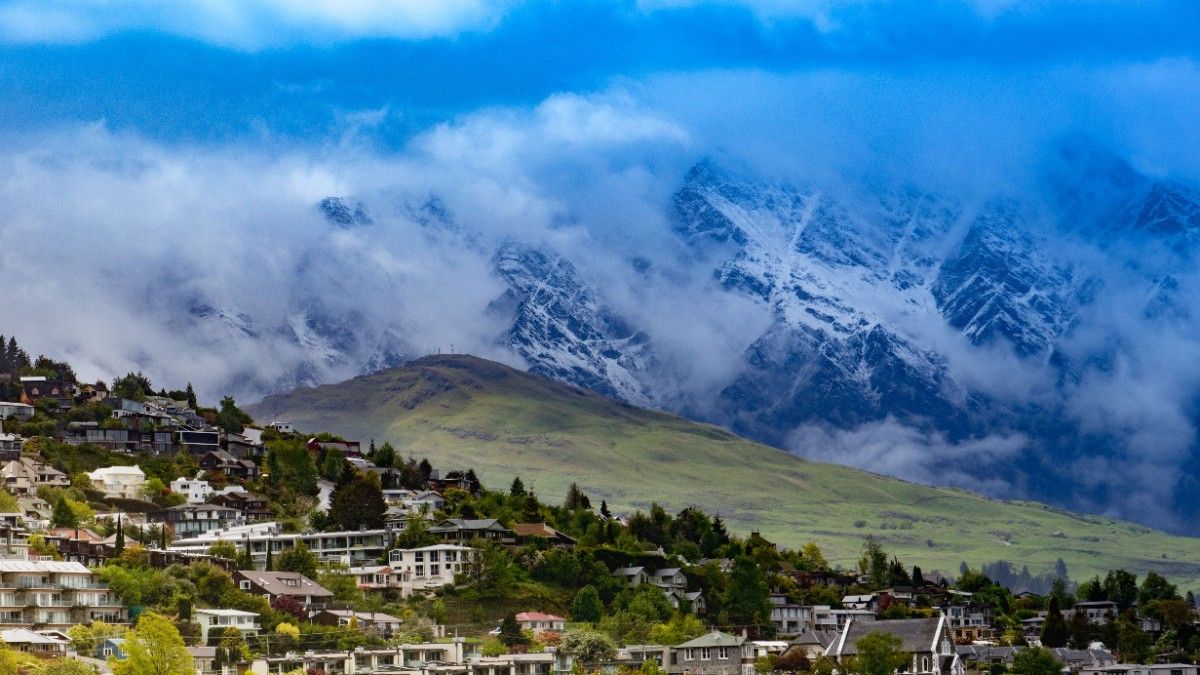
4. Queenstown, New Zealand: The Mountain Escape 92% of Indian Travelers Want
Queenstown saw a 151% search increase. And it makes sense: 92% of Indian travelers are actively looking for mountain destinations in 2026.
There’s an “Altitude Shift” trend happening. People want clean air, wide-open scenery, cooler weather, and a sense of reset without sacrificing adventure. Queenstown delivers all of that.
It’s an adventure hub. Hiking trails like Ben Lomond Track offer insane views of Lake Wakatipu, you can explore vineyards in Gibbston Valley, and the scenery is genuinely breathtaking. Unlike hyped-up adventure destinations, Queenstown has this balance of adrenaline and peace.
The best part? It’s not as expensive as you think if you travel smart. Budget accommodation, self-catering, and hiking (which is mostly free) keeps costs down.
Best time to go: March-May (autumn) and September-November (spring) offer the cheapest prices and fewer crowds with pleasant weather (5-25°C). December-February is summer peak season with warmer temps (20-30°C) but higher prices. Avoid July-August unless you’re keen on skiing.
Budget reality: Flights are expensive (₹50,000-70,000 return), but accommodation runs ₹2,500-4,000 per night for budget hotels. Food and activities are reasonable if you avoid tourist traps. Budget 7 days at ₹1,20,000-1,50,000.
5. Chiang Rai, Thailand: The White Temple and More
Chiang Rai trends every year, but most people still go to Phuket or Bangkok. That’s their loss.
Chiang Rai in northern Thailand is different. The White Temple (Wat Rong Khun) is genuinely unique: a gleaming white structure that looks like it belongs in another dimension. But that’s just the headline. You also get the Black House (Baan Dam), which is an entirely different vibe, tea plantations run by Yunnanese families around Doi Mae Salong, and night markets full of local crafts.
The “Shelf Discovery” trend means travelers are hunting for regional snacks and foods in local markets, and Chiang Rai’s night bazaar is perfect for that. You’ll find things you’ve never seen before, at prices that make sense.
Best time to go: November to February (cool season) has perfect weather at 28-31°C with clear skies and low humidity. Ideal for temple visits, trekking, and photography. Skip March-May due to extreme heat (35-42°C) and air pollution from crop burning.
Budget reality: You can do Chiang Rai for ₹2,000 per day if you’re careful. A 2-day itinerary costs around ₹1,300 on food and transport alone (excluding accommodation). Budget hotels are ₹450 per night.
6. Ziro Valley, Arunachal Pradesh: Where Culture and Nature Still Flow Together
Ziro Valley got a 156% search increase and is gaining serious traction as a cultural destination that hasn’t been hammered by mass tourism yet.
Here’s what makes Ziro different: the Apatani tribe has practiced a unique rice-fish farming system for centuries, and the valley hasn’t been flattened into just another tourist hotspot. You walk through terraced rice paddies that are still actively farmed, visit tribal villages where life actually happens (not for photo ops), and eat food that’s rooted in real local culture.
The valley is surrounded by mountains, which means you get this feeling of being slightly removed from the world. Visit during the festivals, trek through the rice fields, or just sit in a local cafe and watch how communities actually live. Itanagar (the gateway city) is only a few hours away, but once you reach Ziro, it feels like stepping back in time.
Museums and homestays run by local families give you real insights into Apatani culture without the synthetic tour-operator experience.
Best time to go: March to May and October to November offer perfect weather (15-25°C) with lush green landscapes. August-September is harvest season when rice fields turn golden, perfect for photography but muddy trails make trekking challenging. Winter (October-February) is cool and peaceful (5-15°C) with clear skies.
Budget reality: Basic guesthouses run ₹1,500-2,500 per night, local meals are ₹200-400, and the whole vibe is refreshingly non-commercialized. Flight to Itanagar from Delhi is around ₹15,000-25,000 return.
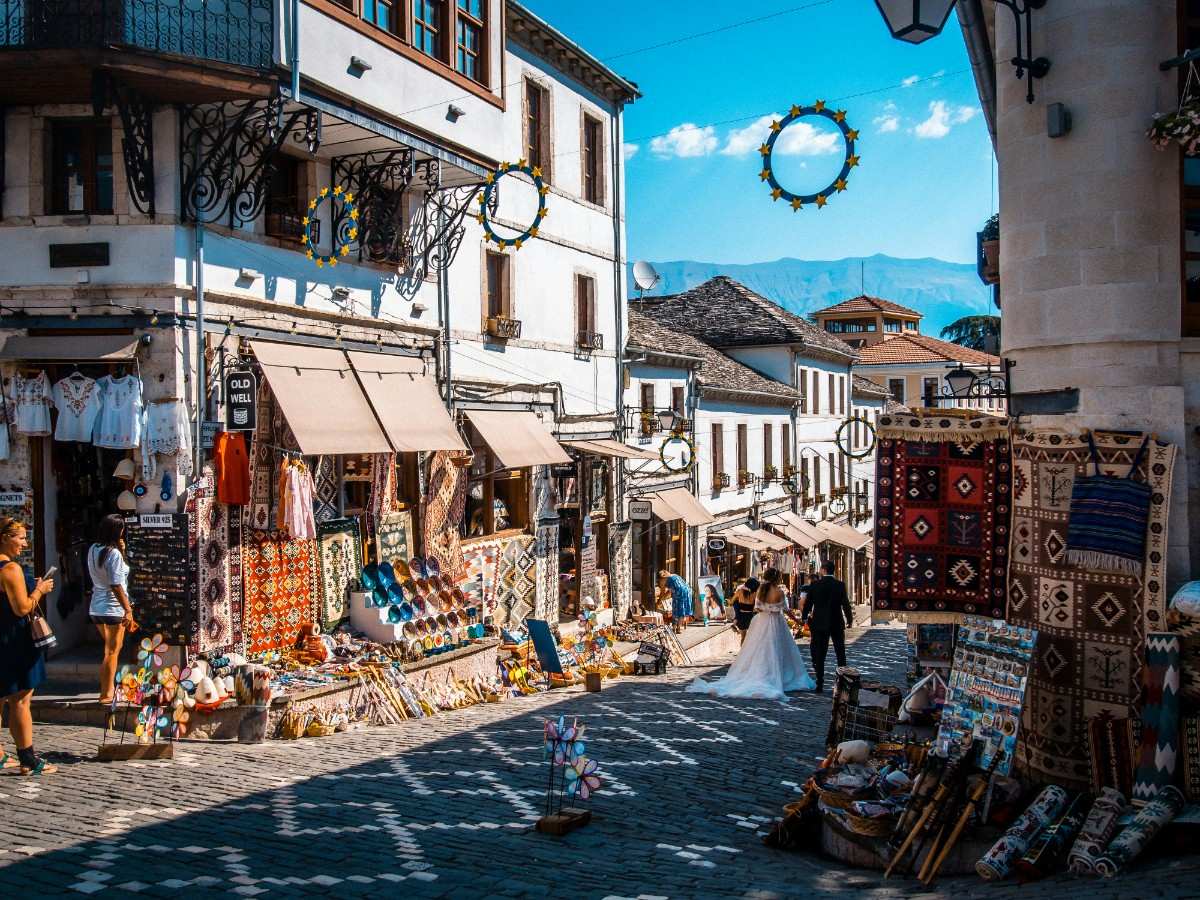
7. Tirana and Berat, Albania: Europe’s Best-Kept Secret
Albania is finally on the radar. You can visit Europe’s most underrated country without the Western Europe price tag.
Tirana, the capital, is a colorful, chaotic capital city in the best way. Bunk’Art 1 and 2 (underground bunkers turned galleries), Skanderbeg Square, and the local food scene are all worth your time. But here’s the real magic: Berat, the “City of a Thousand Windows,” is 2 hours away and feels like stepping into Ottoman times. UNESCO-listed architecture, castle walls, and an authentic vibe that most European cities lost decades ago.
The Albanian Riviera (Himara, Dhermi, Vlora) has stunning Adriatic beaches without the crowds or prices.
Best time to go: May and September-October offer warm but not scorching weather (20-28°C) with fewer crowds. June-August is peak summer but very hot and busy. April and November bring pleasant weather but occasional rain. Skip December-March as it gets cold and wet.
Visa and budget reality: Visa for Indians runs ₹4,634-10,132 depending on duration. Daily budget is ₹2,590-4,317 for accommodation and food combined. A 10-day trip costs roughly ₹60,000-80,000 (excluding flights).
8. Penang, Malaysia: The Food Capital You Actually Want to Visit
Malaysia is easy to visit (visa-free for Indians until December 31, 2026), but most people stick to Kuala Lumpur. Penang is where the real Malaysia lives.
George Town is a UNESCO World Heritage site with colonial architecture, Chinese temples, and street art that makes you want to stay for weeks. Kek Lok Si Temple is one of Southeast Asia’s biggest Buddhist temples, and the views from the top are unreal. Penang Hill offers cooler weather and a break from the heat.
But honestly, people go to Penang for the food. Teh Tarik, Roti Canai, Char Kway Teow, Asam Laksa: it’s the perfect blend of Indian, Chinese, Malay, and Nyonya cuisines. And yes, there’s plenty for vegetarians. Little India in Penang has proper Indian vegetarian restaurants.
Best time to go: December to March (dry season) has the most sunshine and least rain. November-February is coolest (24-32°C) and best for sightseeing. April-October brings heavier rainfall but shorter spells, fewer tourists, and cheaper accommodation. Year-round is warm and humid, so pick based on crowd preference.
Budget reality: ₹5,000 per night for basic hotels, ₹400-600 for meals at restaurants, street food is ₹100-200. Flight is the biggest expense. A 5-day trip (excluding flights) costs ₹15,000-20,000.
9. Zanzibar, Tanzania: The Spice Island That’s Affordable and Authentic
Zanzibar got less hype than Bali, but the experience is richer and the beaches are less touristy.
Stone Town is a historic port city with narrow streets, traditional architecture, and a vibe that feels ancient and alive at the same time. The spice plantations smell incredible (clove, cinnamon, vanilla), and you can tour them without it feeling like a theme park.
Beaches here are quiet: Paje, Nungwi, and Bumbuli aren’t Instagram-famous, so you get space. November to March is the dry season, but even the wet season (April-May) offers deep discounts if you’re flexible.
Best time to go: June to October (long dry season) has the best weather with clear skies, minimal rain, and perfect conditions for diving and snorkeling. Temperatures stay around 28-32°C. January-February is hot and dry but peak season (crowded and pricey). Skip March-May due to heavy rain and low visibility underwater.
Budget reality: Budget accommodation ₹2,500-5,000 per night, meals ₹300-600, activities ₹400-800. A week costs ₹60,000-90,000 (excluding flights). Flights from India are around ₹35,000-50,000 return.
10. Tbilisi, Georgia: The Underrated European Capital
Georgia is visa-free for Indians for 365 days. Do you know how rare that is?
Tbilisi is a city that feels like it shouldn’t work: Old Town with narrow streets and traditional houses, sulfur baths from Ottoman times, modern restaurants and galleries, and wine-tasting in vineyards just outside the city. The food is incredible (khachapuri, khinkali), affordable, and genuinely different from anywhere else.
Georgian hospitality is legendary: people actually care about making you feel welcome. The Caucasus mountains are an hour away, so you can do mountain hikes, visit ancient monasteries, or just sit in a cafe and watch the Mtkvari River flow by.
It’s Europe without the pretension or crowds. And the cost? Roughly 25-30% of Western Europe.
Best time to go: May and September-October are perfect with warm but not extreme temperatures (20-28°C). April and November are pleasant but can be rainy. June-August is hot (33°C+) but great for mountain hiking. December-March is mild (5-14°C) but cold—ideal for a quiet city break with fewer tourists.
Visa and budget reality: Tourist e-visa is $20 (₹1,690), processing takes 3-7 days, and you get 30 days to stay. Daily budget is ₹2,000-4,000 for accommodation, ₹1,500-2,500 for food. A 7-day trip (excluding flights) costs ₹35,000-50,000.

Final Thoughts: Why These 10 Destinations Stand Out In 2026?
The destinations on this list aren’t trending because they’re Instagram-famous. 2026 is the year to move away from the “top 10 Instagram destinations” everyone visits. These places are trending because Indians are actively planning trips there, searching for information, and craving something that feels real. They’re places where you actually connect with the destination instead of competing for the perfect selfie spot.
Whether you’re drawn to tea gardens in Assam, cultural richness in Jaffna, adventure in Queenstown, tribal traditions in Ziro Valley, or European charm in Tbilisi, each destination offers something different. The common thread: authenticity, affordability, and experiences that matter.
These places are on the cusp of becoming mainstream, which means you can still experience them before they get overcrowded. Start planning now, book in January, and go make memories that aren’t just about checking boxes on a list. The world is waiting, and these 10 destinations are worth your time.
FAQs About Underrated Travel Destinations in 2026
1. Which of these destinations is cheapest for an Indian traveler?
Jorhat, Assam and Ziro Valley, Arunachal Pradesh are the most budget-friendly within India, while Chiang Rai, Thailand offers the best international value at around ₹2,000 per day for food and basic accommodation combined.
2. Do Indians need visas for all these countries?
No. Indians can visit Malaysia visa-free until December 31, 2026, and Georgia is visa-free for 365 days. Most others (Oman, Sri Lanka, Thailand, Tanzania, Albania, New Zealand) require visas, but processes are straightforward and affordable.
3. What’s the best time to visit these destinations?
Generally, October to March is ideal for most destinations. For Chiang Rai and Thailand, avoid May-September (monsoon season). For Zanzibar, November-March is dry season. For each destination, check individual sections above for specific timing based on your preferences.
4. Can I do a multi-country trip combining some of these?
Yes, definitely. Georgia and Albania are close in Europe. Thailand, Malaysia, and parts of Southeast Asia are well-connected. Sri Lanka and Oman are easy short trips from India. Plan your itinerary based on geography to save on flights.
5. Are these destinations safe for solo travelers and families?
All 10 destinations are generally safe for travelers. Penang, Malaysia, and Georgia are particularly family-friendly. For solo travel, especially women, Penang, Tbilisi, and Chiang Rai have strong backpacker communities and good tourist infrastructure.


 Thrifty Explorers