
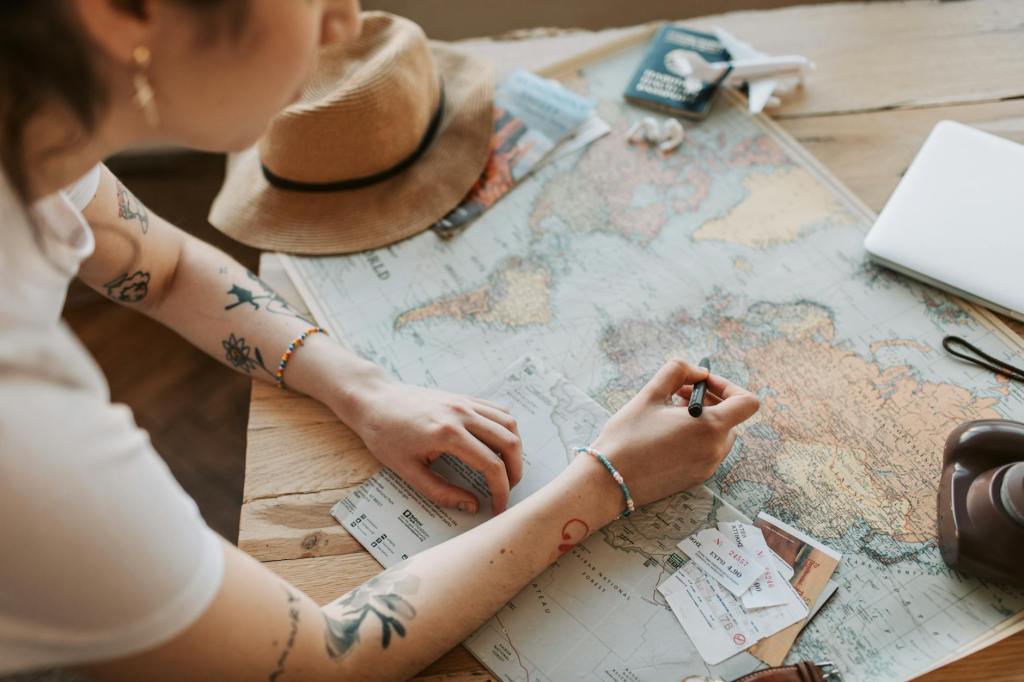
Travel trends in 2026 reveal a fundamental shift in how people explore the world. Gone are the days of checking off famous landmarks from a list. Today’s travelers want to feel something meaningful. They want experiences that align with their values, moods, and the way they actually want to spend their time. Whether you’re booking a getaway this month or planning ahead, understanding what’s trending in travel right now will help you make smarter decisions and get more genuine value from every trip.
The travel trends 2026 data shows this isn’t just hype. It’s backed by research from Booking.com, Expedia, Airbnb, and Agoda. Here are the eight game-changing trends reshaping how we travel.
1. AI Is Now Your Travel Planner
Artificial intelligence has evolved from a nice-to-have tool into an essential part of travel planning. In 2025, 50% of travelers used AI to plan or research their holidays, up from 41% the year before. For 2026, adoption is climbing even faster, making AI-powered travel planning one of the most influential travel trends in 2026.
What’s changed is fundamental. AI no longer just suggests random destinations. Instead, it builds personalized itineraries based on your mood, budget, dietary preferences, and travel style. If you prefer cultural mornings followed by quiet evenings near water, AI structures your days around that rhythm. If you’re traveling on a tight budget, it finds you quality experiences without inflating costs.
Adoption varies by age group. Millennials lead at 58% using AI for trip planning, compared to 45% of Gen Z and just 11% of baby boomers. This makes sense because millennials juggle careers and families. They don’t have time to scroll through 100 hotel options. They want AI to do the heavy lifting fast.
The satisfaction rate is high. Travelers cite three main wins: instant responses (58%), faster planning (56%), and genuinely new recommendations (43%). The tools aren’t perfect. Inaccurate responses and overly generic suggestions are common complaints. But they’re improving visibly.
In India, the trend is even more pronounced. 68% of Indian travelers say they’re likely to use AI to plan their next trip, with 53% actively trusting AI-generated information for travel decisions.
What this means for you: If you haven’t tried ChatGPT, Gemini, or Perplexity for trip planning, now is the time. Use AI for initial research, itinerary building, and discovering hidden spots you wouldn’t find through traditional search. Then verify bookings through official sites to ensure accuracy.
2. Set-Jetting Is a Multi-Billion Dollar Trend
Pop culture is driving travel decisions in unprecedented ways. Set-jetting (booking trips to film and TV shooting locations) is no longer a niche hobby. It’s become a mainstream movement projected to become an $8 billion industry in the U.S. alone, making it one of the most viral travel trends 2026 has seen.
The numbers tell the story. 81% of Gen Z and millennial travelers plan set-jetting trips. Over half of all global travelers report increased interest in screen-inspired getaways. When The White Lotus Season 3 premiered in Koh Samui, Thailand, Airbnb bookings spiked 500% immediately afterward. That’s the power of set-jetting as a travel trend in 2026.
Which locations are trending right now: Expedia’s 2026 forecast includes Yorkshire, UK (for Wuthering Heights and Downton Abbey), Tuscany, Italy (for film tourism), Samoa (for the live-action Moana), and the Dalmatian Coast in Croatia. Paris maintains strong momentum thanks to Emily in Paris creating global awareness.
Set-jetting works because filming locations typically offer stunning landscapes combined with authentic cultural experiences. Fans feel an emotional connection to these places before they arrive. They already know what to expect, which reduces travel anxiety and increases engagement.
Tourism boards worldwide are capitalizing hard on this trend. Ireland invested €200,000 marketing “Wednesday” filming locations. The Czech Republic partnered with Kingdom Come: Deliverance 2 creators. Entire regions are reshaping marketing strategies around pop culture hooks and fan communities.
What this means for you: If you’re genuinely passionate about a show or movie, there’s likely a tourism opportunity built around it. These destinations benefit from authentic storytelling and fandom communities, which often create richer, more connected travel experiences than traditional tourist traps.
3. Nature Escapes Are Winning Over Beach Holidays
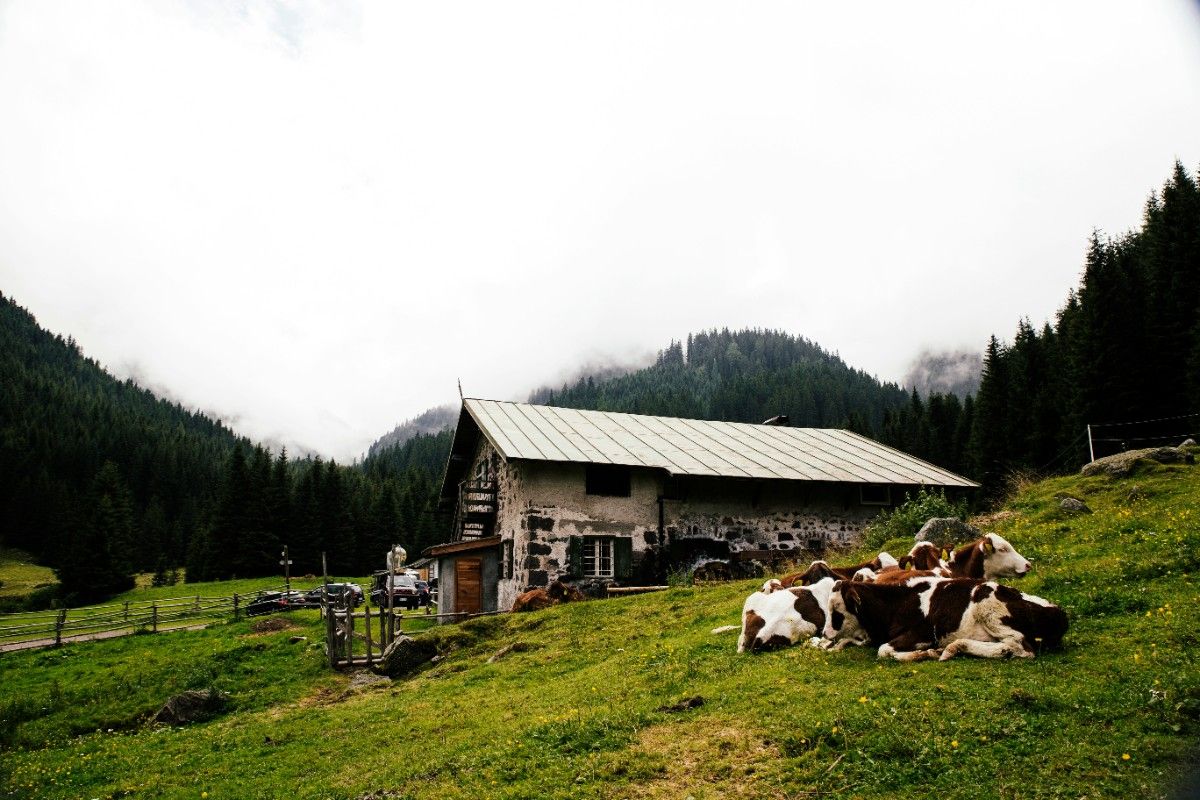
The travel trends in 2026 show a clear shift away from overcrowded beaches toward mountains, farms, and forests. Interest in farm stays jumped 84%. Searches for U.S. national parks are up 35%. Hotel bookings for rooms with mountain views shot up 103%.
The motivation runs deeper than just avoiding crowds. 62% of travelers cite peace and quiet as the primary draw. 58% specifically want beautiful, remote accommodation. They’re searching for space, solitude, and genuine relief from digital noise.
This shift is reshaping global tourism infrastructure. Platforms like Airbnb actively promote rural and offbeat properties over urban hotspots, steering demand toward underutilized inventory while supporting local communities. Ski towns and alpine regions are now seeing year-round bookings, not just seasonal winter traffic.
In India, hill stations and heritage homestays in Himachal Pradesh, Uttarakhand, and Kerala are experiencing surging demand from domestic travelers seeking slower, more intentional travel experiences.
What this means for you: If you’ve been hesitant about venturing off the beaten path, 2026 is the right time. Facilities and services in remote areas continue improving. You’ll discover quieter, more authentic experiences with growing infrastructure designed specifically to support them.

4. Wellness Travel Gets Specific: “Glowcations”
The wellness trend isn’t new, but travel trends 2026 show it’s becoming hyper-specific and results-driven. Travelers aren’t just seeking “relaxation” anymore. They want concrete results: better sleep, healthier skin, restored energy levels they can actually see and feel.
Enter glowcations. People now book trips specifically for skincare and beauty treatments. They choose hotels with circadian lighting to support natural sleep cycles, facilities with premium hydration stations, and accommodations offering personalized sleep experiences. They pair these amenities with plant-based meals and targeted spa treatments designed for skin health.
Destinations positioning themselves as glowcation hubs include Paris (French pharmacy treasures), South Korea (K-beauty and glass skin culture), Italy (spa retreats), and Kerala (Ayurveda). High-end hotels like Equinox Hotels, Four Seasons Los Angeles, Park Hyatt, and Rosewood are investing heavily in sleep and wellness-specific amenities because demand is climbing.
This trend is particularly strong with Gen Z, who want to return home visibly rejuvenated with glowing skin, not just mentally relaxed.
What this means for you: When booking wellness retreats, look for specific amenities beyond generic “spa.” Ask about circadian lighting, water quality, staff expertise in specific treatments, and meal philosophies. The more tailored and science-backed the property, the better your actual results.
5. Sports and Festivals Are Driving Major Booking Surges
Event-driven travel is one of the most powerful travel trends 2026 is showing us. 57% of all travelers plan trips around sporting events. Among Gen Z and millennials, that jumps to 68%. Airbnb data shows 65% of top-searched 2026 dates align with major events like the Olympics, FIFA World Cup, Coachella, and Taylor Swift concerts.
When events drive travel, people book everything at once. They line up accommodation, food, activities, and ground transport together. Travel providers are racing to capture this demand through partnerships with sports leagues, gaming conventions, music festivals, and event organizers.
The trend extends beyond casual fans. Corporate groups, friend circles, and families are deliberately planning around major events, creating predictable booking patterns that travel businesses are now optimizing for.
What this means for you: If you’re interested in attending a major event in 2026, book accommodation early. Event-driven travel creates tight supply and premium pricing. Consider traveling slightly before or after peak event dates for better availability and lower rates.
6. Multi-Generational Family Trips Are Growing Fast
Travel trends 2026 show families aren’t just taking vacations. They’re orchestrating meaningful multi-generational trips involving parents, children, grandparents, and extended family. The drivers include deepening family relationships, creating lasting memories, celebrating milestones, and saving money through group discounts.
Destinations that appeal across generations (places with activities for kids, relaxation for parents, and cultural experiences for grandparents) are seeing significant booking surges. Mediterranean spots like Greece, Spain, and Portugal, along with Dubai, Costa Rica, and California, are leading this category.
In India, shorter 4-7 day family trips are becoming the new standard. According to recent travel trends reports for 2026, 40% of Indian travelers prioritize trips with family, while 34% travel with spouses or partners. The trend reflects changing priorities around connection and shared experiences.
What this means for you: When planning multi-generational trips, look for destinations with diverse activities and varying paces. Choose accommodations with flexible layouts and nearby attractions appealing to different age groups. This approach reduces family friction and increases overall enjoyment for everyone.
7. Literary Tourism and Pop Culture Pilgrimages
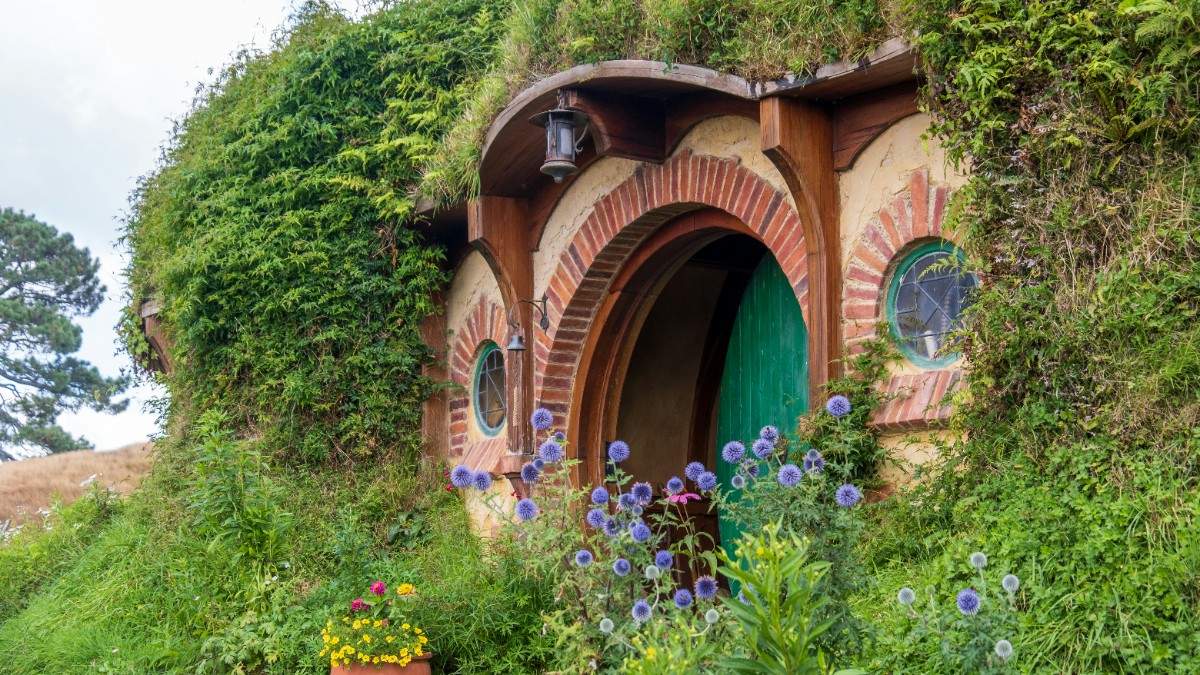
Beyond film locations, travel trends in 2026 include growing interest in visiting places connected to favorite books and authors. Think Shakespeare’s birthplace in Stratford-upon-Avon, Jane Austen’s house in Chawton, Ernest Hemingway’s Key West home, and fictional character tours like Harry Potter locations in London and Sherlock Holmes’ Baker Street.
This trend is fueled by BookTok momentum, the rise of book clubs, and post-pandemic desires for tangible, real-world connections. People want to walk where favorite characters lived or where beloved stories unfolded.
Literary festivals like the Jaipur Literature Festival and Hay Festival are seeing increased attendance. Publishing houses are even partnering with tourism boards to create branded literary tours.
What this means for you: If you’re a genuine reader or pop culture enthusiast, designing trips around literary or fictional landmarks adds deeper personal meaning to your travel. These experiences connect you with like-minded communities and provide compelling storytelling opportunities.
8. Budget-Conscious Travel Dominates Every Market
Travel trends 2026 emphasize that budget-conscious travelers are driving the market globally. In India, 47% of travelers plan to spend Rs. 5,000 or less per night on accommodation. Globally, budget remains a consistent priority across demographics. Travelers want value, not just cheap prices. Every rupee needs to deliver real value.
This has democratized access to authentic experiences. Eco-lodges, farm stays, homestays, and community-run accommodations are thriving because they offer authenticity at a fraction of luxury resort prices. Budget travel isn’t a compromise anymore. It’s often the gateway to more genuine, connected experiences.
What this means for you: High-cost luxury isn’t the only path to meaningful travel. Budget stays often provide more authentic cultural interactions and better local support. Plan for value-driven experiences rather than name-brand luxury when possible.
The Bottom Line: Travel Trends 2026 Are About Intention, Not Impulse
The travel trends shaping 2026 all share one common thread: intentionality. Travelers are being deliberate about where they go, what they do, and how trips align with their lives, values, and what they actually want from the experience.
AI is making planning faster and smarter. Pop culture is making travel emotionally resonant and shareable. Nature escapes, and wellness retreats are offering real relief from burnout. Events and family time are driving meaningful gatherings. Literary and cultural tourism is deepening experiences beyond surface-level sightseeing.
Whether you’re using AI to plan a set-jetting adventure, booking a farm stay to escape overtourism, or gathering your family for a multi-generational trip, 2026 is an excellent year to travel intentionally. Start planning early, use the tools available to you, and focus on what genuinely excites you rather than what’s trending on social media.
The best travel trends aren’t the loudest ones. They’re the ones that actually align with how you want to spend your time and energy.


 Thrifty Explorers