
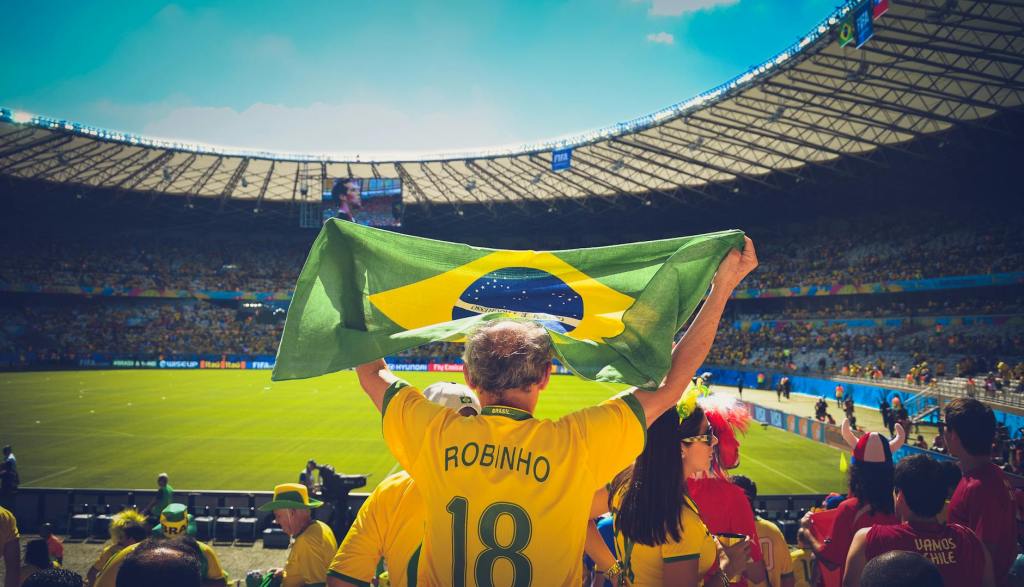
Let’s be honest: every World Cup is billed as “historic.” But the 2026 FIFA World Cup genuinely earns that label. For the first time ever, the tournament spans three countries (the United States, Canada, and Mexico) across 16 host cities, with 48 teams and 104 matches. That’s a 50% jump in teams from Qatar 2022. More teams mean more games, more upsets, and more chances for fans around the world to actually get a ticket.
But here’s the thing most travel guides won’t tell you: the 2026 World Cup isn’t just a football tournament. It’s a continent-scale road trip. You can watch a match in Miami, hop to Mexico City for the culture, and catch a knockout game in New York, all within the same trip. That kind of itinerary has never been possible at a World Cup before. Whether you’re a die-hard supporter following your national team or someone who just wants to be inside one of the greatest events on Earth, this is your guide to doing it right, without blowing your budget or losing your mind.
FIFA World Cup 2026 Tickets & FIFA Pass: Everything Decoded
How to Get FIFA World Cup 2026 Tickets?
The official ticketing process for the FIFA World Cup 2026 runs through FIFA’s official website (fifa.com) and Ticketmaster, which is the authorized ticket marketplace for the tournament. Tickets are organized into four price categories based on seating sections, with Category 1 being the most premium (closest to the pitch) and Category 4 being the most accessible.
Here’s what you need to know:
- Buy only through official channels. FIFA has authorized FIFA.com and Ticketmaster as the only legitimate sources. Any other reseller puts you at serious risk of invalid tickets. And with FIFA’s mobile-only entry system, a fake barcode will get you turned away at the gate.
- Ticket barcodes are assigned 24-48 hours before each match. This is a deliberate anti-scalping measure. Do not expect a printable ticket. You need the FIFA World Cup 2026 App to access your tickets.
- You must create a FIFA ID that matches the email address you used to purchase on Ticketmaster. If those emails don’t match, you won’t be able to access your tickets in the app.
- Last-minute tickets do appear. Keep checking Ticketmaster throughout the tournament; resale inventory surfaces regularly, especially for group stage matches.
Ticket price ranges (approximate, in USD):
- Group stage: $50 to $500+ (Category 4 to Category 1)
- Round of 16: $100 to $800+
- Semi-finals: $250 to $1,500+
- The Final (MetLife Stadium, New Jersey): $500 to $3,000+
What Is FIFA Pass, and Do You Actually Need It?
FIFA PASS (FIFA Priority Appointment Scheduling System) is one of the most misunderstood things about this World Cup, and getting it wrong could cost you your trip.
FIFA PASS is not a travel pass. It’s not a free ticket to skip immigration. It is a free, voluntary program launched by FIFA and the U.S. Department of State that gives official FIFA ticket holders priority access to U.S. visa interview appointments. That’s it. If you need a B1/B2 visitor visa to enter the United States and the wait time at your embassy is months long, FIFA PASS helps you jump the queue for the interview. It does not change the visa requirements, and it does not guarantee approval.
Do you actually need FIFA PASS?
- No, if your country is part of the U.S. Visa Waiver Program (42 countries including the UK, Japan, South Korea, Australia, most EU nations, and Qatar). You apply for an ESTA online instead (cost: USD 40.27).
- No, if you hold a Canadian or Bermudan passport.
- Yes, consider it, if you need a B1/B2 visa and your country has long embassy wait times (South Asia, parts of Africa, Latin America).
How FIFA PASS works (step by step):
- Log into your FIFA.com account and submit the FIFA PASS opt-in form.
- Fill out the DS-160 U.S. visa application, upload a photo, and pay the visa fee.
- When scheduling your interview appointment, answer “Yes” when asked if you’re a FIFA ticket holder. Wait at least one hour after opting in before scheduling.
Critical warnings:
- FIFA PASS only works if your ticket was purchased directly from FIFA, not from a reseller.
- Spouses and minor children of ticket holders can also access FIFA PASS, but only if they attend the interview alongside the ticket holder.
- FIFA PASS does not override entry bans or immigration restrictions for affected countries. A priority appointment is not a guaranteed visa.
Bottom Line: If you need a U.S. visa, apply immediately. Don’t wait for FIFA PASS to “sort it out.” Use FIFA PASS to accelerate the process, but start your visa application today.
Best Host Cities to Visit: Honest Insights for Real Travellers
New York City / New Jersey (MetLife Stadium)
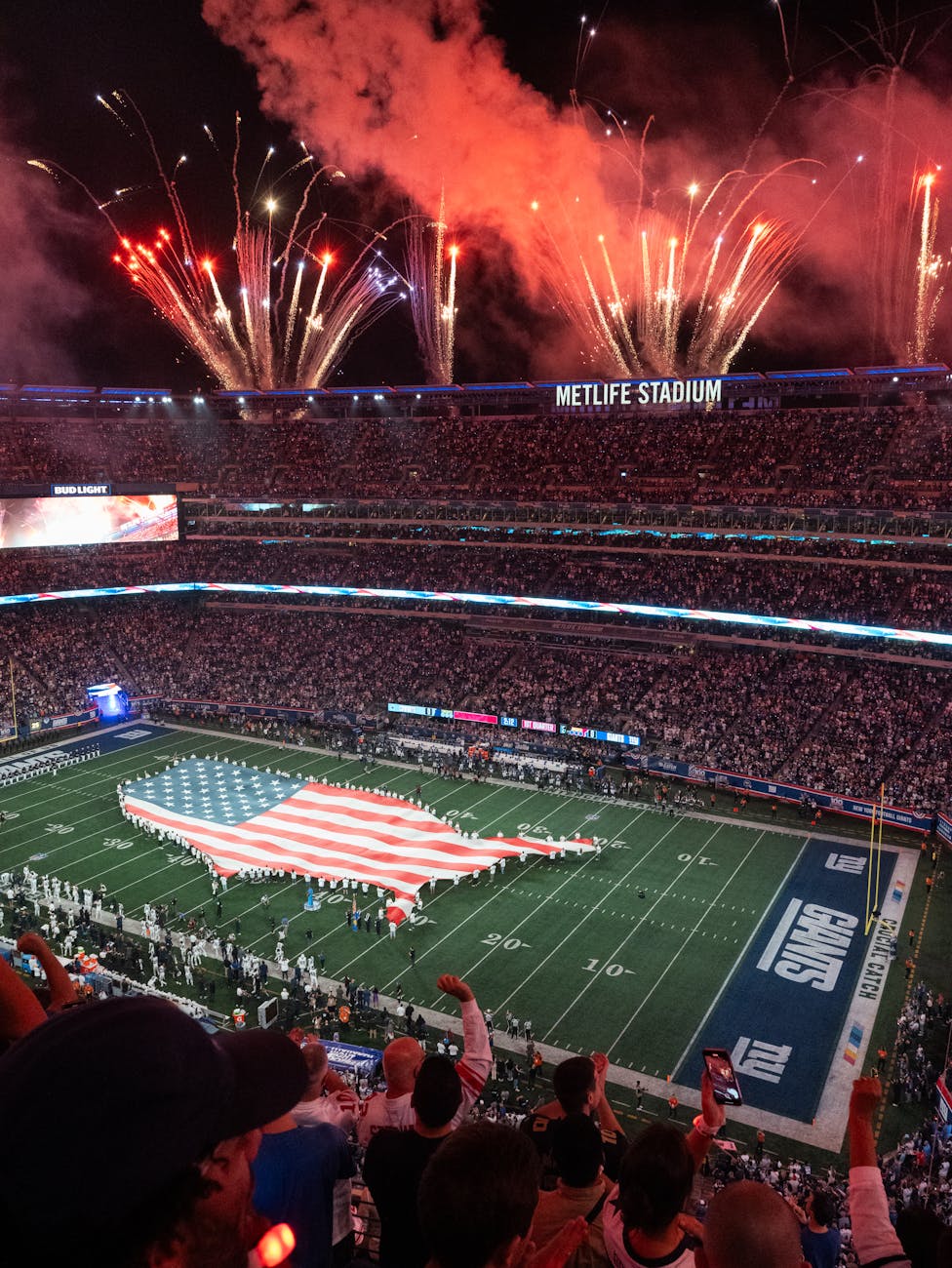
New York is expensive. No sugarcoating it. But it’s also the most electric World Cup destination on the planet. MetLife Stadium in East Rutherford, New Jersey hosts the most matches of any U.S. venue, including the Final on July 19, 2026. The stadium is easily accessible via New Jersey Transit from Penn Station, and the city transforms into a global village on match days.
- Vibe: High-energy, cosmopolitan, party atmosphere
- Cost level: Expensive
- Best for: The Full Experience: culture, nightlife, iconic moments
- Smart tip: Stay in Newark or Jersey City instead of Manhattan to cut hotel costs by 40-60%.
Los Angeles (SoFi Stadium)
SoFi Stadium is one of the most visually stunning venues in world sport. LA’s World Cup experience will be uniquely Californian: outdoor fan zones, beach parties, and a city that treats football events like film premieres.
- Vibe: Relaxed, sun-drenched, celebrity sightings optional
- Cost level: Expensive, but manageable
- Best for: Culture, beaches, food diversity, and families
- Smart tip: LA Metro is running 9 direct routes to SoFi Stadium during World Cup matches starting at just $1.75. Skip Uber entirely on game day.
Mexico City (Estadio Azteca)
If there’s one city that will give you genuine goosebumps during the 2026 World Cup, it’s Mexico City. The Azteca is the most storied football stadium on the continent. This is where Pele lifted the 1970 trophy and where Maradona’s “Hand of God” goal happened. The city’s football culture is raw, passionate, and intoxicating.
- Vibe: Passionate, cultural, historic
- Cost level: Budget-friendly (one of the most affordable host cities)
- Best for: History, food, authentic football atmosphere, thrifty travelers
- Smart tip: The Mexico City Metro is the most affordable and efficient way to travel; fares cost just a few pesos. Colonia Roma and Condesa are great neighborhoods to base yourself.
Miami (Hard Rock Stadium)
Miami will be one of the most festive and diverse host cities in the tournament. The fan base here will skew South American and Caribbean, making matches feel like a festival layered inside a football game.
- Vibe: Festive, Latin-inflected, electric nightlife
- Cost level: Moderate to expensive
- Best for: Nightlife, beach days between matches, South American football fans
- Smart tip: Book hotels in Fort Lauderdale or Doral and commute in; you’ll save significantly. Be prepared for heat above 35 degrees Celsius in June and July, so carry water and sunscreen everywhere.
Toronto (BMO Field)
Toronto is one of the most multicultural cities in the world, and that becomes a superpower during a World Cup. With fans from 190+ nationalities living in the city, every match feels like a home game for someone.
- Vibe: Multicultural, welcoming, surprisingly vibrant sports culture
- Cost level: Moderate
- Best for: International atmosphere without the US pricing premium
- Smart tip: Toronto requires Canadian dollars (CAD). An eTA (Electronic Travel Authorization) is needed for most international visitors. It costs CAD 7 and is usually approved within minutes online.
Other Cities Worth Knowing:
- Dallas: Hot, huge, and perfectly placed for fans who want the Texas experience. AT&T Stadium is enormous.
- Atlanta: Mercedes-Benz Stadium has an unbeatable transit connection (MARTA rail). One of the best fan zones in the country.
- Boston/Foxboro: Compact, walkable, and surprisingly affordable compared to NYC. Commuter rail connects directly to Gillette Stadium.
- Seattle/Vancouver: The Pacific Northwest corridor. These two cities are only 3 hours apart by car, making it the easiest cross-border pair in the tournament.
- Philadelphia: Just 90 minutes from New York by train. Book Philly, commute to NY matches. Smartest arbitrage in the tournament.
FIFA World Cup 2026 Travel Cost Breakdown
Here’s what a realistic budget looks like. No fairy tale numbers, no aspirational minimums.
The final weekend of May brings us back to the roots of the franchise: battling.
Flights (Round Trip):
| Origin Region | Estimated Cost (Economy) | Notes |
|---|---|---|
| Europe (UK, Germany, Spain) | $600 to $1,400 | Book 6+ months out for best rates |
| South Asia (India, Pakistan) | $700 to $1,600 | Higher demand due to large diaspora |
| South America (Brazil, Argentina) | $400 to $900 | Shorter routes to Miami, NYC |
| Australia / Southeast Asia | $900 to $2,000 | Longest haul; points/miles are valuable |
| Middle East (UAE, Saudi) | $700 to $1,500 | Direct routes to NYC and LA available |
| Africa | $800 to $1,800 | Varies significantly by country |
Pro tip: Book a refundable or changeable fare early, set a Google Flights price alert, and rebook if prices drop. The tournament overlaps with peak summer travel season. Prices will NOT drop significantly last-minute.
Accommodation (Per Night):
| City | Budget | Mid-Range | Luxury |
|---|---|---|---|
| New York City | $150 to $250 (outer boroughs) | $300 to $500 | $600+ |
| Los Angeles | $100 to $200 | $200 to $400 | $500+ |
| Mexico City | $40 to $80 | $80 to $180 | $250+ |
| Miami | $120 to $200 | $250 to $450 | $600+ |
| Toronto | $100 to $180 | $200 to $350 | $400+ |
| Dallas/Atlanta | $80 to $150 | $150 to $280 | $350+ |
Pro Tip: Stay in a “satellite city” near your host city. Philadelphia for New York matches. Pasadena for LA match.
Food + Local Transport (Per Day):
| City | Budget Eater | Mid-Range | Going All In |
|---|---|---|---|
| U.S. cities | $25 to $40 | $50 to $100 | $150+ |
| Mexico City | $10 to $20 | $25 to $50 | $80+ |
| Toronto | $25 to $45 | $60 to $100 | $150+ |
Pro Tip: Use public transport on match days. Surge pricing on Uber/Lyft can be brutal. LA Metro fares start at $1.75. Atlanta’s MARTA rail goes directly to Mercedes-Benz Stadium. NYC subway runs 24/7. Mexico City Metro fares are just a few pesos.
Match Tickets (All-In Cost Per Match):
| Round | Estimated Range (USD) |
|---|---|
| Group Stage (Cat 4) | $50 to $150 |
| Group Stage (Cat 1) | $300 to $600 |
| Round of 16 | $100 to $500 |
| Quarter-Final | $200 to $800 |
| Semi-Final | $350 to $1,500 |
| The Final | $700 to $3,000+ |
Total trip budget estimates:
- Backpacker / Budget: $3,000 to $5,000 (Mexico-heavy itinerary, 2 group stage matches)
- Mid-range: $5,000 to $10,000 (2-3 U.S. cities, 3-4 matches)
- Premium: $12,000 to $25,000+ (multiple cities, knockout rounds, hospitality)
Sample World Cup 2026 Itineraries
Itinerary 1: The 7–10 Day Quick Trip (USA-Only)
Best for:
- First-time international travelers
- Families
- Fans following group stage matches
Plan:
- Day 1–2: Arrive in New York, settle in, explore key spots, and plan your match-day logistics
- Day 3: Match day at MetLife Stadium (group stage), travel via NJ Transit
- Day 4: Travel to Philadelphia (approx. 90 minutes by Amtrak), hotel check-in
- Day 5: Explore Philadelphia including Liberty Bell, Reading Terminal Market, and local food spots
- Day 6: Attend a match at Lincoln Financial Field or take a day trip back to New York
- Day 7–8: Return to New York for sightseeing, fan zones, or another match
- Day 9–10: Departure from JFK Airport
Estimated Budget (Mid-Range): $4,500 to $7,000 (from Europe)
Itinerary 2: The 2-Week Multi-City USA Trip
Best for:
- Experienced travelers
- Fans wanting multiple matches and diverse city experiences
Plan:
- Day 1–3: Los Angeles – arrival, recovery, match at SoFi Stadium, beach day
- Day 4: Fly to Dallas (approx. 1.5 hours), explore city, BBQ experience, match at AT&T Stadium
- Day 5–6: Travel to Houston (3.5 hours by road or short flight), explore food culture, match at NRG Stadium
- Day 7–8: Fly to Miami, attend match at Hard Rock Stadium, enjoy South Beach
- Day 9–10: Fly to Atlanta, visit Mercedes-Benz Stadium, explore fan zones and culture
- Day 11–12: Fly to New York, experience city energy, attend MetLife or knockout stage match
- Day 13–14: Sightseeing in New York and departure
Estimated Budget (Mid-Range): $7,000 to $12,000
Itinerary 3: The Full 3-Country Experience
Best for:
- Hardcore football fans
- Travelers looking for a once-in-a-lifetime World Cup journey
Plan:
- Days 1–4: Mexico City – explore Azteca Stadium, local food scene, Frida Kahlo Museum, street culture, group stage matches
- Day 5: Fly to Dallas or Houston (approx. 2 hours), short recharge stop
- Days 6–9: New York / New Jersey – attend matches at MetLife Stadium, experience knockout rounds and city life
- Days 10–12: Fly to Toronto (approx. 1 hour), explore multicultural atmosphere and World Cup buzz
- Days 13–15: Optional route via Seattle and Vancouver for extended experience across North America
- Days 16–18: Return home via a major U.S. hub city
Estimated Budget: Mid-Range: $9,000 to $25,000
How to Travel Between USA, Canada & Mexico?
Flying Between Cities: Flying is the most practical option for longer routes. Key domestic connectors:
- NYC to Miami: ~3 hrs, budget carriers from $80 to $200 one way
- LA to Dallas: ~2.5 hrs, from $70 to $180
- NYC to Toronto: ~1.5 hrs, from $80 to $200
- Dallas to Mexico City: ~2.5 hrs, from $100 to $250
Book 2-3 months ahead for World Cup dates. Use Google Flights or Skyscanner. Southwest Airlines is a smart choice for flexible U.S. domestic travel.
Trains (USA): Amtrak’s Northeast Corridor is genuinely useful:
- Boston to New York: ~4.5 hrs, from $40 (book early)
- New York to Philadelphia: ~1 hr 20 min, from $25
- Philadelphia to Washington D.C.: ~1.5 hrs, from $25
Buses: Flixbus and Greyhound cover many routes between U.S. cities. Slower, but very affordable ($15 to $60 for most routes). Fine for the budget traveler with time to spare.
World Cup 2026 Travel Hacks You’ll Wish You Knew Earlier
- Stay outside the host city, commute in: This is the single biggest money-saver. Philadelphia for New York. Pasadena or Long Beach for LA. Fort Lauderdale for Miami. Costs drop 30-50%, and commute times are genuinely manageable.
- Book refundable flights now, optimize later: Lock in a changeable fare today to secure access to seats. Set a Google Flights alert and rebook at a lower price if one appears. Don’t wait for “the right moment.” Peak tournament flights will not get cheaper.
- Early rounds mean cheaper tickets and more availability: Group stage tickets are significantly more affordable than knockout games, and there are more of them. See three group stage matches in different cities instead of one semi-final and you’ll see more football and spend less money.
- Earn and burn points strategically: If you have airline miles or hotel points (Marriott Bonvoy, Hyatt, Hilton), this is the trip to use them. Award availability will be scarce, but redeeming for hotel nights in NYC or LA during the tournament is one of the highest-value redemptions possible. Join Marriott Bonvoy now if you haven’t already. There may still be World Cup ticket promotion opportunities.
- Eat local, not touristy: Mexico City tacos cost $1 to $2 each. Houston’s immigrant food scene is extraordinary and affordable. Atlanta’s diverse neighborhoods have incredible cheap eats. Step one block off the main tourist drag and your food budget halves.
- Use public transport religiously on match days: Uber/Lyft surge pricing near stadiums on game day can be obscene. Atlanta MARTA, LA Metro, NYC Subway, and NJ Transit all go directly to World Cup venues. Use them. Atlanta parking passes alone cost $100 to $235.
- Split your stay across two nearby cities: Book 4 nights in Philadelphia and 3 nights in New York instead of 7 in Manhattan. Same experience, radically different bill.
Where to Watch FIFA World Cup 2026 Without Tickets?
Official FIFA Fan Festivals: FIFA runs free, official Fan Festivals in all 16 host cities during the tournament. These are massive outdoor events with giant screens, live entertainment, food stalls, and a carnival atmosphere. Attendance is free (though some premium zones may require registration). Check FIFA.com for official Fan Festival locations as they are confirmed.
Fan Zones and Public Screenings: Every host city will have a network of public screenings in parks, waterfronts, and public squares. Cities like New York (Central Park, Times Square), Miami Beach, and downtown Mexico City become open-air stadiums during key matches. The atmosphere at a public screening of a World Cup semi-final in Times Square is genuinely something you won’t forget.
Sports Bars and Supporter Clubs: This is where true fans go. Almost every U.S. city has a thriving soccer bar culture now. Look for official supporter clubs of your national team; they’ll have the best atmosphere, the right crowd, and usually a big screen that shows every match. Apps like SeatGeek and social platforms like Reddit’s r/soccer can help you find local fan meetups.
Stadium Atmosphere Without a Ticket: Being in the neighborhood of the stadium on match day, even without a ticket, is an experience in itself. The tailgating, the street vendors, the fan colors, the noise. It all starts hours before kickoff. Walk to the stadium district, grab food from a local vendor, and soak it all in.
Where to Stay During FIFA World Cup 2026?
- New York / New Jersey: Stay in Jersey City (near MetLife), Hoboken, or Newark for value. For the New York experience, Brooklyn and Queens offer better rates than Manhattan.
- Los Angeles: Inglewood is closest to SoFi Stadium but limited in options. Hollywood, Culver City, or Santa Monica give you the LA feel with manageable commutes.
- Mexico City: Colonia Roma, Condesa, or Polanco are the three best neighborhoods: safe, vibrant, walkable, and well-connected to Azteca Stadium via Metro Line 2.
- Miami: Brickell and Downtown Miami for convenience. Fort Lauderdale or Doral for budget savings with easy highway access.
- Toronto: Downtown core near Union Station gives you the best transit access to BMO Field and the city’s entertainment district.
- Atlanta: Midtown or Downtown Atlanta. Mercedes-Benz Stadium is walkable from both, and MARTA connects everything efficiently.
Start Planning Now. This Won’t Wait!
Here’s the honest truth: the 2026 FIFA World Cup is going to be the biggest single sporting event in human history. Over six million tickets. Three countries. Sixteen cities. Forty-eight nations are fighting for the game’s greatest prize across nine weeks of football.
The fans who will have the best time are already planning. They’ve secured refundable flights, locked in accommodation, applied for visas, and identified which matches they want to target. They’re not waiting for everything to be perfect before they commit, because by the time everything looks “ready,” the hotel rooms will be gone and the flights will cost twice as much.You don’t need to have every detail figured out to start.
Pick one city. Book one refundable hotel night. Apply for your visa or ESTA now. The rest will follow. But this is the trip you’ll tell your kids about, and it starts with a decision made today.
Good luck. Book smart. See you at the World Cup.
Top 5 FAQs for the FIFA World Cup 2026
1. How do I get FIFA World Cup 2026 tickets?
Buy through FIFA.com or Ticketmaster. Those are the only two official sources. You’ll need a FIFA ID (a free account at FIFA.com) to accept and manage tickets via the FIFA World Cup 2026 App. Ticket barcodes are released 24-48 hours before each match, so have your phone charged and your app downloaded. Never buy from unofficial resellers.
2. What is FIFA Pass?
FIFA PASS (FIFA Priority Appointment Scheduling System) is a free, voluntary program that gives FIFA ticket holders priority access to U.S. visa interview appointments. It only applies to fans who need a B1/B2 tourist visa for the United States. It does not waive visa requirements, and it does not guarantee approval. You must have purchased your ticket directly from FIFA to qualify.
3. When should I book my World Cup 2026 travel?
Honestly? The best time was six months ago. The second best time is right now. Hotels in major host cities are filling up fast, and flight prices will increase as the tournament approaches. Book refundable accommodation today and a flexible flight fare to hold your spot. You can optimize later.
4. Which are the cheapest host cities?
Mexico City is by far the most budget-friendly host city. Accommodation, food, and local transport are a fraction of U.S. costs. Among the U.S. cities, Dallas, Atlanta, and Kansas City offer significantly lower hotel and dining costs compared to New York or Los Angeles. Staying in nearby satellite cities (Philadelphia for NYC, Fort Lauderdale for Miami) cuts costs further.
5. Where can I watch World Cup 2026 without a ticket?
Everywhere. FIFA is running official Fan Festivals (free entry) in all 16 host cities. Public screenings are happening in parks and public spaces across all three countries. Sports bars with official supporter club vibes are arguably the most atmospheric option. Find your national team’s local supporter club for the best experience.


 Thrifty Explorers