
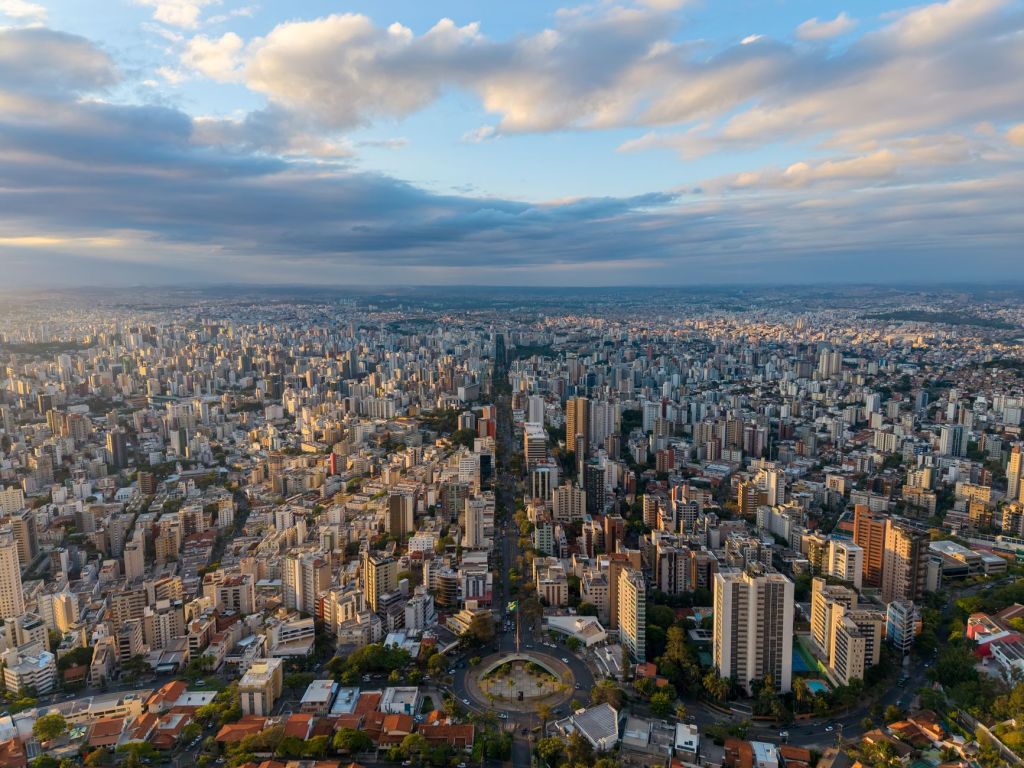
Paraguay just had its biggest football moment in years, taking eventual World Cup contender France all the way to a nervy 1-0 finish before bowing out in the Round of 16. It’s the kind of run that gets a country trending for a few days and then forgotten. But if you actually look past the scoreline, Paraguay is one of the most underrated destinations in South America, and this Paraguay travel guide is for anyone who’s suddenly curious about a place that’s been worth visiting long before this tournament put it on the map.
Here’s a real, tourist-focused look at what the country offers and what you need to know before booking a trip.
Why Paraguay Belongs on Your South America Travel List
Paraguay sits landlocked between Brazil, Argentina, and Bolivia, roughly the size of California, with a population of about 7 million people. It rarely makes anyone’s South America bucket list, which usually means Machu Picchu, Rio, or Patagonia instead. That’s part of what makes it worth visiting. There’s no crowd to fight for a photo, no inflated tourist pricing, and a culture that’s genuinely distinct from its bigger neighbors.
Spanish and Guaraní are both official languages, and Guaraní is still spoken by the majority of the population daily, not just kept alive symbolically. It’s one of the only places in the Americas where an indigenous language holds that kind of everyday presence, and you’ll hear it mixed into conversation constantly.
Here are some quick facts that you need to know about Paraguay:
- Capital: Asunción
- Population: Around 7 million
- Languages: Spanish and Guaraní
- Currency: Paraguayan guaraní (PYG)
- Borders: Brazil, Argentina, and Bolivia
How to Get to Paraguay and Get Around Once You’re There
Most international flights land at Silvio Pettirossi International Airport (ASU) in Asunción, usually connecting through São Paulo, Panama City, or Santiago. Direct long-haul flights from the US or Europe are limited, so plan for at least one layover.
Once you’re on the ground, here’s how travelers typically get around:
- Within Asunción: Uber, Bolt, and radio taxis are the easiest and safest options. Local city buses run everywhere but can be confusing without some Spanish and local knowledge.
- Between cities: Long-distance coach buses are the standard way to travel. They’re comfortable, air-conditioned, and noticeably cheaper than similar routes in Brazil or Argentina.
- To the Iguazú Falls area: Buses from Asunción to Ciudad del Este take around 5 to 6 hours, and from there it’s a short ride across the border.
- Renting a car: Worth it if you’re heading into the Chaco or visiting rural Jesuit mission sites, though roads outside the main cities can get rough, so higher clearance helps.
- Domestic flights: Limited, since the country is compact enough that buses cover most routes efficiently.
Paraguay is also just plain cheap. A solid meal typically costs a few US dollars, and comfortable mid-range hotels run a fraction of what you’d pay in Rio or Buenos Aires. It’s consistently ranked among the most affordable countries to visit in South America.
The Best Things to Do in Paraguay
Asunción
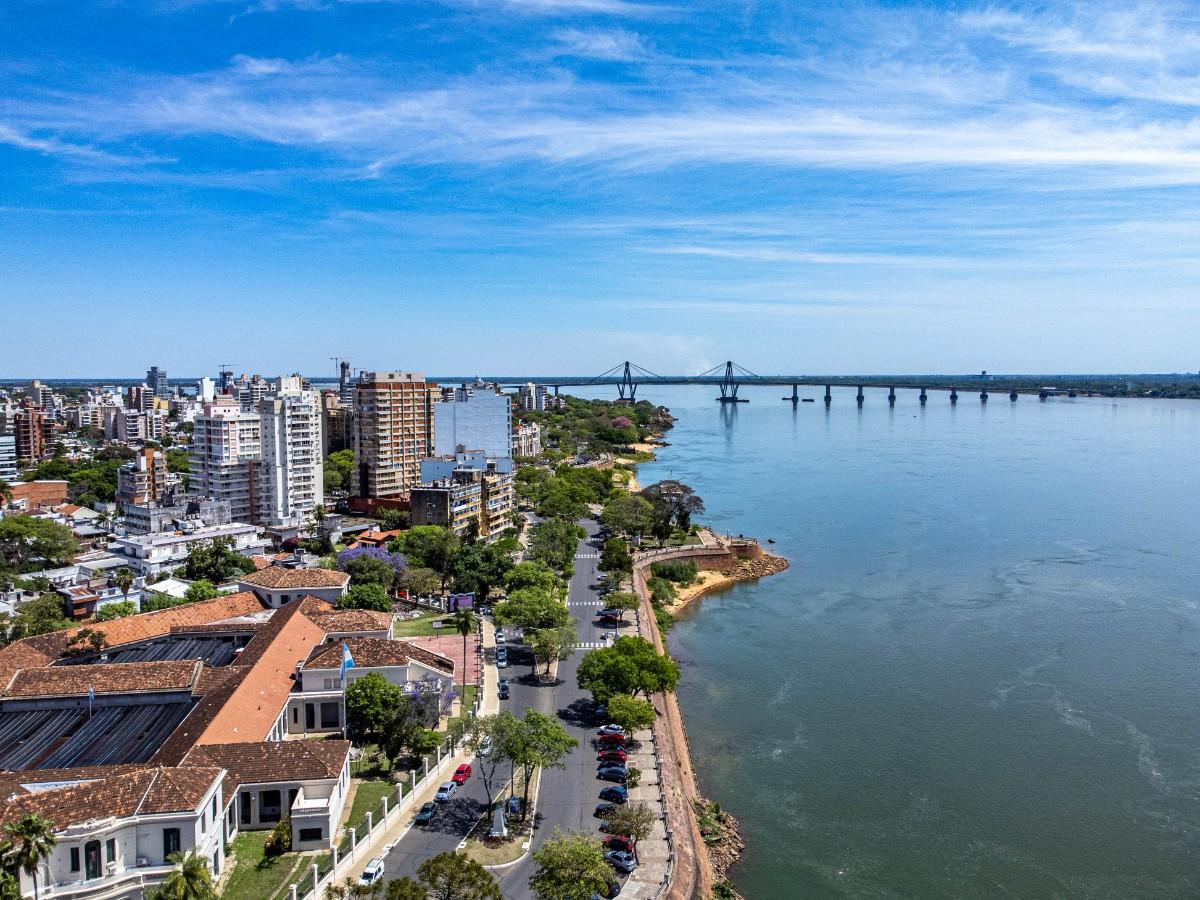
The capital is where most trips start, and it’s easy to spend two or three days here without running out of things to do. It’s relaxed and walkable, with colonial buildings, a long riverside promenade, and a food scene that gets far less attention than it deserves.
Spend an evening on the Costanera de Asunción, the riverside promenade locals use the way other cities use a park, especially at sunset when it fills with joggers, families, and street food vendors. Nearby, the Palacio de López is the pink presidential palace worth a walk-by for photos, and Manzana de la Rivera offers a quick, air-conditioned dose of colonial history if you want context before heading back into the heat. For something more chaotic and hands-on, Mercado 4 is the city’s biggest local market, good for an afternoon of browsing if you don’t mind narrow, crowded aisles.
While you’re in the city, make time for chipa and tereré. Chipa is a cheesy baked bread Paraguayans eat constantly, sold from baskets on street corners at all hours. Tereré, an iced version of yerba mate sipped from a shared guampa cup, is more of a social ritual than a drink, and joining a local group for it is one of the easiest ways to connect with people here.
Iguazú Falls and Itaipu Dam
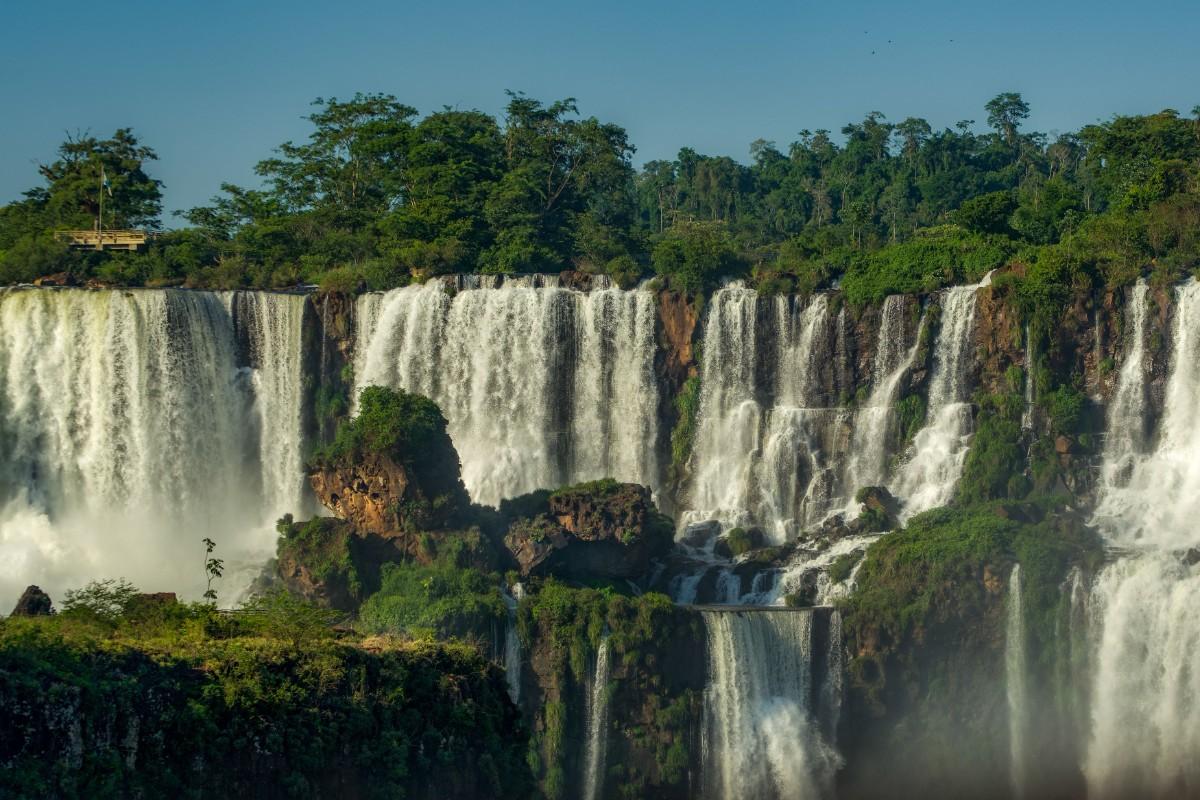
Base yourself in Ciudad del Este, Paraguay’s second largest city near the triple border with Brazil and Argentina, to reach two major sights. Iguazú Falls, about 30 minutes away, is one of the most dramatic waterfall systems on the planet, wider than Niagara and spread across nearly 275 individual falls. Most travelers view it from the Argentine or Brazilian side, but staying on the Paraguayan side is often the cheapest option. Nearby, Itaipu Dam, one of the largest hydroelectric plants on Earth, offers guided tours including a night illumination tour worth building into your visit.
Encarnación and the Jesuit Ruins
Further south along the Paraná River, Encarnación has a laid-back, almost beach-town feel in summer and works as the easiest base for visiting Trinidad and Jesús de Tavarangue, UNESCO World Heritage Jesuit mission ruins dating back to the 1600s and 1700s. They’re some of the best preserved Jesuit Guaraní ruins in South America, and unlike comparable sites elsewhere, you can usually explore them without fighting through tour groups.
The Chaco
Paraguay’s vast, sparsely populated western region is for travelers chasing something wilder: Mennonite farming colonies, dry forest, and genuinely remote wildlife watching, including jaguars, tapirs, and giant anteaters if you go with a local guide and some patience.
Paraguay Travel Tips: Visa, Safety, and Best Time to Visit:
Visa requirements: Most US, EU, UK, Australian, and Canadian citizens can currently enter Paraguay visa free for stays up to 90 days, but rules change, so double check with the Paraguayan embassy or your airline before booking.
Best time to visit Paraguay: December through February is summer and gets hot and humid, especially in Asunción and the Chaco. April, May, September, and October are shoulder months with milder weather that’s more comfortable for sightseeing.
Is Paraguay safe to visit? Asunción and the main tourist circuit are generally considered safe with normal city precautions. Border areas like Ciudad del Este see more petty crime tied to the shopping trade, so keep the usual awareness there.
Budget: Meals for a few dollars, mid-range hotels well under neighboring capital prices, and bus travel that stays cheap even over long distances.
Connectivity: Local SIM cards are inexpensive and easy to grab at the airport or in city centers, useful for navigation between regions.
The Real Reason to Visit Paraguay Now
Paraguay is affordable, welcoming, and still largely untouched by mass tourism. It doesn’t need a football tournament to justify a visit, but if a scrappy, disciplined national team making life hard for one of the best squads in the world is what gets it on your radar, that’s a fine reason to start looking at flights. The kind of attention it’s getting right now doesn’t last long. Worth going before everyone else catches on.
Frequently Asked Questions About Traveling to Paraguay
1. Do I need a visa to visit Paraguay?
Most travelers from the US, EU, UK, Australia, and Canada can enter visa free for stays up to 90 days. Requirements can change, so it’s worth confirming with the Paraguayan embassy or your airline before you book.
2. What is the best time to visit Paraguay?
April, May, September, and October offer the most comfortable weather, with milder temperatures for sightseeing. December through February is summer and can get very hot and humid, especially in Asunción and the Chaco.
3. Is Paraguay safe for tourists?
Asunción and the main tourist circuit are generally considered safe with normal city precautions. Border areas like Ciudad del Este see more petty crime tied to the shopping trade, so it’s worth staying alert there specifically.
4. How many days do you need in Paraguay?
A week is enough to cover the highlights: two or three days in Asunción, a couple of days around Ciudad del Este for Iguazú Falls and Itaipu Dam, and a day or two in Encarnación for the Jesuit ruins. Add extra time if you want to venture into the Chaco.
5. Is Paraguay expensive to visit?
No, it’s one of the more affordable countries in South America. Meals typically cost a few dollars, mid-range hotels are noticeably cheaper than in Buenos Aires or Rio, and long-distance bus travel is inexpensive even over several hours.


 Thrifty Explorers